My main focus here is photography and music. But this friend of mine one day suggested we make a short film together about the beautiful people of Bosnia and Herzegovina, and I accepted the challenge.
The process was simple: as expats living in Sarajevo, we’d go to the city streets and film the local people. We set very few boundaries, but one of them was perspective. We didn’t want the traditional “postcard” view where everything’s obvious about the place and its people. Instead, the idea was to zoom in and get a closer view of these particular humans. We made exceptions for very wide, aerial scenes, where we could give context to the location without being too obvious.
Through inspiring images and the narration of two Bosnian women from Sarajevo, the film explores the concept of “Rahat” and how it may be seen as one of the deepest characteristics of the Bosnian people. The streets of Sarajevo become our main stage, where we observe the characters – the ordinary people – and their interaction within the city.
The film flows through three main parts: a dark, tense beginning that captures the urban tension; an ethereal interlude where the concept of “Rahat” begins to unfold; and a final section with a brilliant sunset mood that conveys calmness and elevation of the soul.
Like street photography that captures the interaction between people and their urban environment, this 10-minute documentary takes you on a vivid walk through Sarajevo. The footage, captured in late 2019, was carefully selected to depict the beauty, happiness, and lightness of the Bosnian people at the beginning of the 21st century.
The soundtrack is central to the story. I composed it specifically for this film to fit the mood of the streets and the meaning carried by the word “Rahat,” and performed it entirely using a digital audio workstation.
Gear: APS-C camera, prime lenses (50mm, 100mm) and zoom lenses (55-250mm, 100-400mm), mobile phone camera, tripod and a drone. Film edited in DaVinci Resolve and music composed and played at FL Studio.
Meu foco principal aqui é fotografia e música. Mas um amigo um dia sugeriu que fizéssemos um curta-metragem juntos sobre o belo povo da Bósnia e Herzegovina, e aceitei o desafio.
O processo foi simples: como expatriados vivendo em Sarajevo, íamos às ruas da cidade e filmávamos as pessoas locais. Estabelecemos poucos limites, mas um deles era a perspectiva. Não queríamos a tradicional visão de “cartão postal” onde tudo é óbvio sobre o lugar e suas pessoas.
Em vez disso, a ideia era aproximar a câmera e ter uma visão mais próxima desses seres humanos em particular. Fizemos exceções para cenas muito amplas, aéreas, onde podíamos contextualizar a localização sem ser muito óbvios.
O filme flui através de três partes principais: um início escuro e tenso que captura a tensão urbana; um interlúdio etéreo onde o conceito de “Rahat” começa a se revelar; e uma seção final com um clima de pôr do sol brilhante que transmite calma e elevação da alma.
Como a fotografia de rua que captura a interação entre as pessoas e seu ambiente urbano, este documentário de dez minutos leva você a um passeio vívido por Sarajevo. As filmagens, captadas no final de 2019, foram cuidadosamente selecionadas para retratar a beleza, a felicidade e a leveza do povo bósnio no início do século XXI.
A trilha sonora é central para a história. Eu a compus especificamente para este filme para combinar com o clima das ruas e o significado carregado pela palavra “Rahat”, e a executei inteiramente usando uma estação de trabalho de áudio digital.
Equipamento: Câmera APS-C, lentes prime (50mm, 100mm) e lentes zoom (55-250mm, 100-400mm), câmera de celular, tripé e um drone. Filme editado no DaVinci Resolve e música composta e tocada no FL Studio.
When I was a kid, my mother used to talk about Comet Halley, which appears at every 76 years. Thus, I always dreamt of seeing a big, bright comet. But Halley in 1986 was a total flaw. After that, I thought that I would never see a comet with my own eyes. Not until Neowise, the first comet that I photographed, back in 2020, which was a mind blowing experience. And now, we have the C/2023 A3 (Tsuchinshan-ATLAS). I’m starting to feel that I’m lucky.
—
Quando eu era criança, minha mãe falava sobre o Cometa Halley, que aparece a cada 76 anos. Assim, sempre sonhei em ver um cometa grande e brilhante, mas o Halley de 1986 foi uma decepção total. Depois disso, pensei que nunca mais veria um cometa com meus próprios olhos. Foi assim até o Cometa Neowise, o primeiro que fotografei, no ano de 2020, uma experiência alucinante. E agora, temos o C/2023 A3 (Tsuchinshan-ATLAS). Estou começando a achar que estou com sorte.
(Comet Neowise, back in July 2020; with a camera and a tripod; four images stacked)
Lucky or not, astrophotography is a rewarding but, at the same time, demanding pursuit. It requires significant investment in both time and resources. It involves technical expertise, artistic vision, and a healthy dose of patience.
This kind of photography can become quite technical, and one must not forget also its art components. After all, what would be the point of so many people shooting the same celestial objects if they would look the same in the end? With this in mind, I always try to achieve something different with my astrophotography.
—
Com sorte ou não, a astrofotografia é uma atividade gratificante, mas exigente. Requer um investimento significativo de tempo e recursos. Envolve conhecimento técnico, visão artística e uma boa dose de paciência.
Este tipo de fotografia pode ficar bastante técnico, e não se pode esquecer também de seus componentes artísticos. Afinal, qual seria o sentido de tantas pessoas fotografando os mesmos objetos celestes se eles ficassem todos iguais no final? Com isso em mente, sempre tento obter algo diferente com minha astrofotografia.
The Hunt Begins: Planning the Perfect Shot (although “perfect” is relative…)
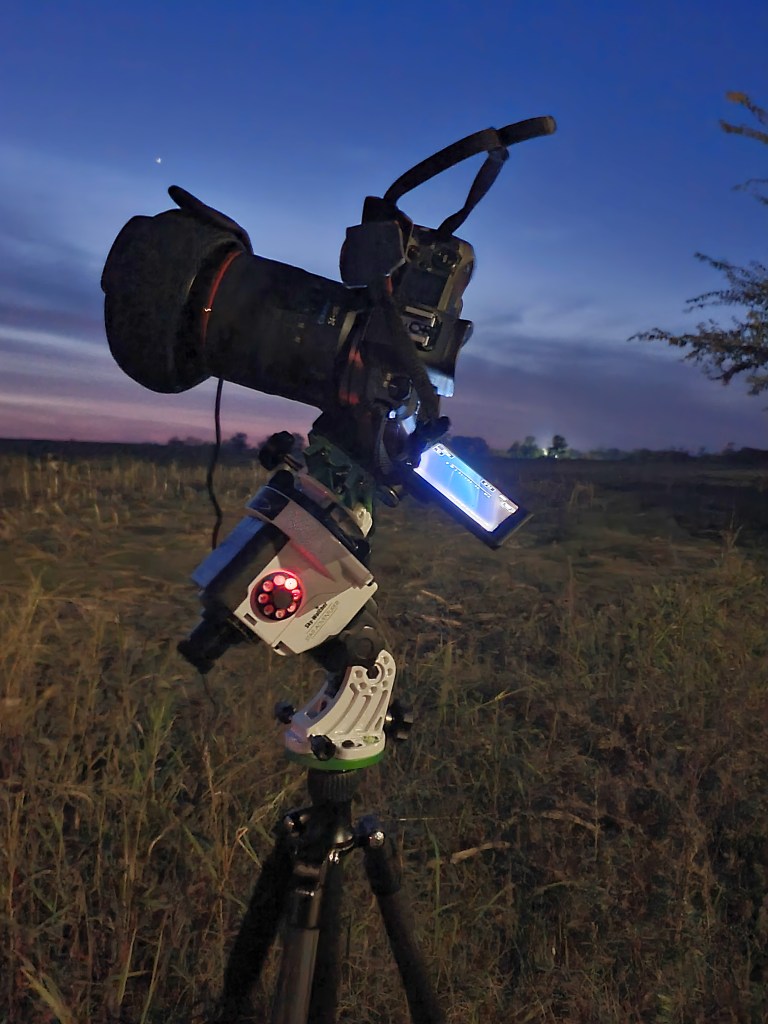
As soon as I added the comet’s coordinates to the app Stellarium in order to see its position in the sky, I started planning the shooting sessions. Basically, I had to: i) choose the appropriate camera gear; ii) find a suitable location (25-minute drive); iii) check the weather; iv) prepare the clothing (temperatures around 8 degrees Celsius). It may look simple, but it took me good few hours to have all this settled just before making the first picture.
—
Adicionei as coordenadas do cometa no aplicativo Stellarium para poder ver a posição dele no céu e comecei a planejar as sessões de fotografia. Basicamente, eu tinha que: i) escolher o equipamento fotográfico adequado; ii) encontrar um local apropriado (25 minutos de carro); iii) verificar o clima; iv) preparar a roupa (temperaturas em torno de 8 graus Celsius). Pode parecer simples, mas levei algumas boas horas para ter tudo isso resolvido antes de tirar a primeira foto.
(above left: comet A3 visible on a handheld smartphone shot; center and right: camera + star tracker)
The Achievements: Results and Revelations
For the lack of time and excess of clouds, I had four attempts at shooting the comet in mid-October 2024, in Budapest, Hungary. Overcast skies sabotaged my first attempt. One must deal with frustrations when it comes to astrophotography: in most cases, chances are that we will not easily get what we want. But when we get it, man, it’s total happiness. I finally managed to get images on 16, 19 and 27 October 2024.
—
Por falta de tempo e excesso de nuvens, fiz quatro tentativas de fotografar o cometa em meados de outubro de 2024, em Budapeste, na Hungria. O céu nublado sabotou minha primeira tentativa. É preciso lidar com frustrações quando se trata de astrofotografia: na maioria das vezes, é provável que a gente não consiga facilmente o que a gente quer. Mas quando conseguimos, cara, é pura felicidade. Por fim, consegui fazer fotos em 16, 19 e 27 de outubro de 2024.
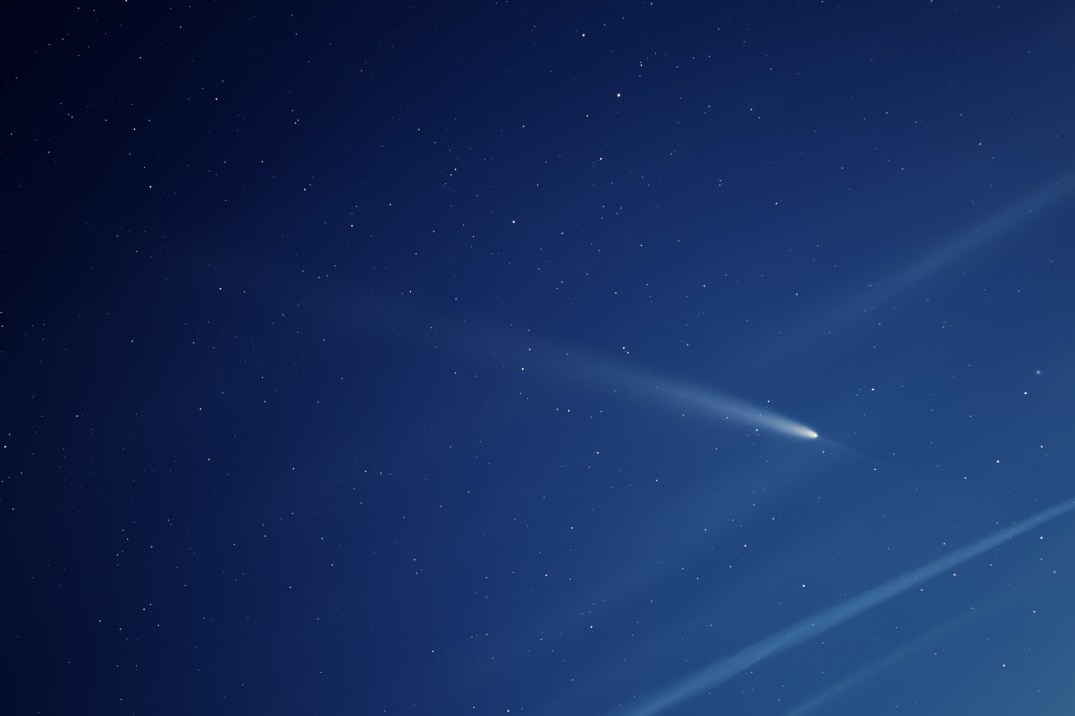
(The comet A3 looked big in the sky, but barely visible with the naked eye on a light polluted sky; single shot, camera+50mm lens+tripod)
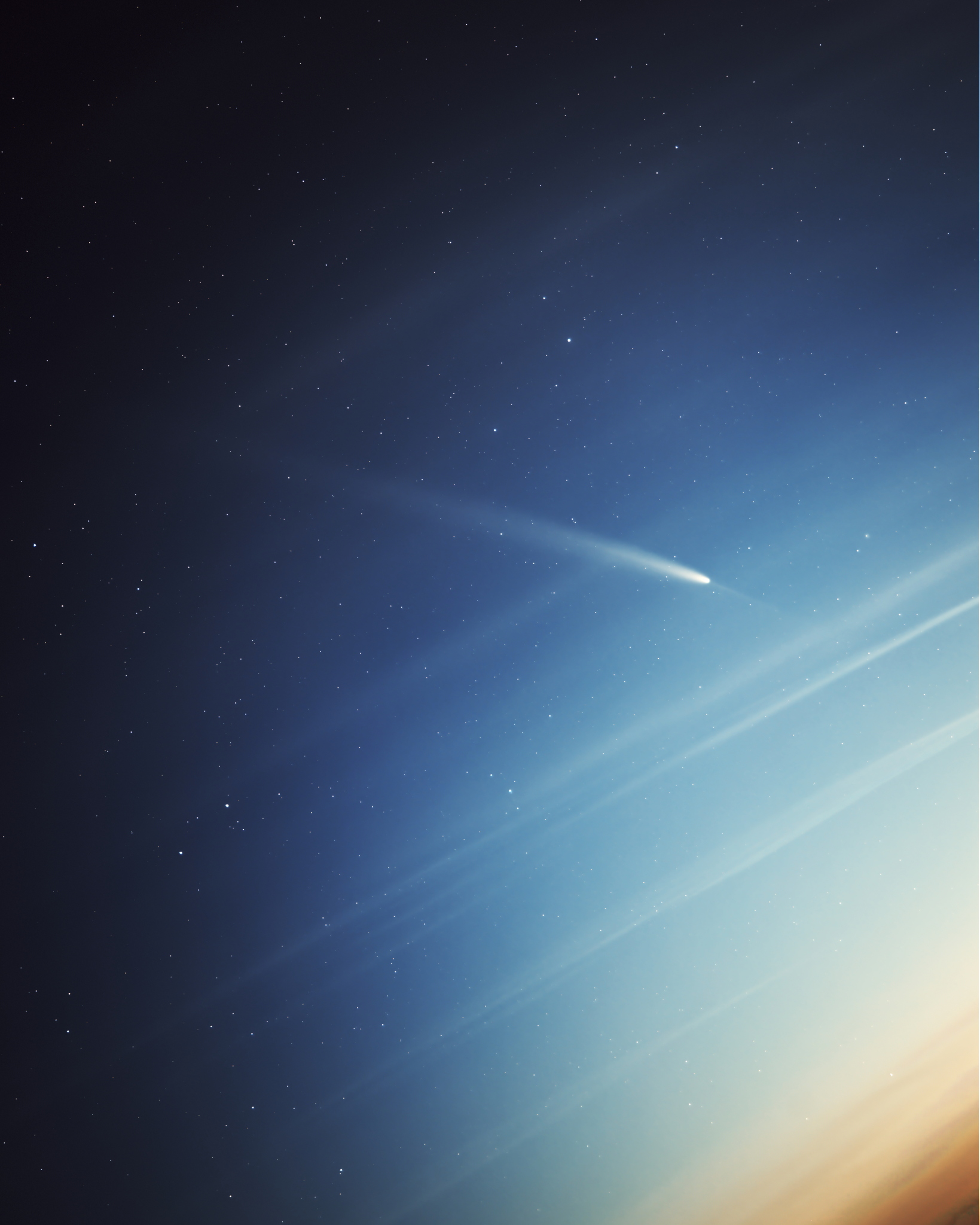
(Stack of four 2-minute images. Notice the anti-tail right in front of the comet; camera+star tracker)
The image above was the best one that I made, in my opinion. I love the sunset colors fading into the dark starry sky, together with the bright comet tail and its shy anti-tail. It’s not only about registering a celestial object, but also creating a unique and inspiring view of the universe.
Comet A3 displayed a unique feature, an anti-tail, an optical illusion created by Earth’s position relative to the comet’s orbit. As the comet moves, it leaves a trail of dust particles. When Earth crosses the comet’s orbital plane, we see these particles edge-on, creating the illusion of a tail pointing towards the Sun. The anti-tail lasts just a few days, so I am happy to have it registered.
—
A imagem acima foi a melhor que fiz, na minha opinião. Adoro as cores do pôr do sol se desvanecendo no céu estrelado escuro, junto com a brilhante cauda do cometa e sua tímida anti-cauda. Não se trata apenas de registrar um objeto celeste, mas também de criar uma visão única e inspiradora do universo.
O Cometa A3 exibia uma característica única, uma anti-cauda, uma ilusão de óptica criada pela posição da Terra em relação à órbita do cometa. À medida que o cometa se move, ele deixa um rastro de partículas de poeira. Quando a Terra cruza o plano orbital do cometa, vemos essas partículas de perfil, criando a ilusão de uma cauda apontando para o Sol. A anti-cauda dura apenas alguns dias, tive sorte de tê-la registrado.
(Single shot, 2-minute exposure; camera + star tracker)
When life gives an astrophotograper’s lemons (clouds), they make lemonade. On the image above, I can imagine the comet on a distant galaxy, gearing quickly towards the thin atmosphere of another planet, like in a sci-fi film. Of course, this is only my imagination, but it’s fun, isn’t it?
—
Como diz o ditado em inglês, se a vida te der limões (nuvens), faça uma limonada. Na imagem acima, imagino imaginar o cometa em uma galáxia distante, acelerando rapidamente em direção à atmosfera tênue de outro planeta, como em um filme de ficção científica. Isso é apenas minha imaginação, mas é divertido, não é?
(Stack of three 2-minute images; camera + star tracker)
Changing the perspective can also change the meaning of an image. On the photograph above, does it look like something falling from the sky?
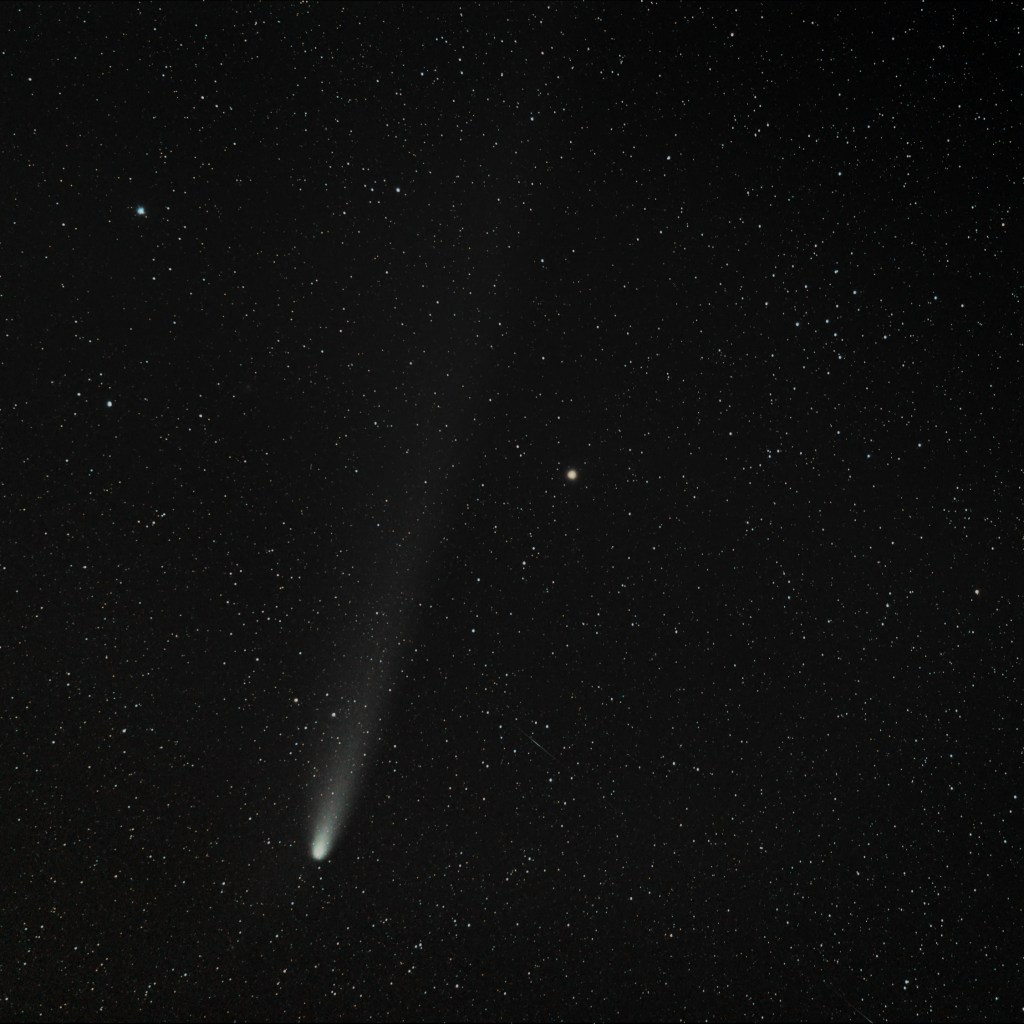
Comet A3 is now fading steadily every day. On my last attempt to photograph it, on 27 October, I opted to get closer, as in the image below. We can see its translucent tail revealing tiny stars in the background. The anti-tail wasn’t visible anymore. If we pay attention, we can notice a soft, green glow of gases closer to its nucleus.
—
Mudar a perspectiva também pode mudar o significado de uma imagem. Na fotografia acima, não parece que algo está caindo do céu?
O Cometa A3 agora está diminuindo o bilho a cada dia. Na minha última tentativa de fotografá-lo, em 27 de outubro, optei por uma visão mais próxima, como na imagem abaixo. Podemos ver a cauda translúcida, revelando pequenas estrelas ao fundo. A anti-cauda já não era mais visível. Se prestarmos atenção, podemos notar um brilho verde suave de gases, mais próximo de seu núcleo.
(Stack of eleven 30-second images at 312mm focal length, with darks, flats and bias calibration frames)
All in all, my journey started with unrealized dreams about a majestic appearance of Comet Halley. But it was with Comets Neowise and C/2023 A3 that my dream came true. As a kid, I had never imagined that I would be able to photograph the beauty of these enigmatic celestial objects. In a sense, things developed much better than the younger me could ever imagine.
—
No geral, minha jornada começou com sonhos não realizados sobre uma aparição majestosa do Cometa Halley. Mas foi com os Cometas Neowise e C/2023 A3 que meu sonho se tornou realidade. Quando criança, nunca imaginei que seria capaz de fotografar a beleza desses enigmáticos objetos celestes. De certa forma, as coisas foram acontecendo muito melhor do que a minha versão mais jovem poderia imaginar.
Behind the Lens: Technical Details for the Geeky
Gear: Camera: full frame Canon EOS R Lenses: Canon EF 50mm f/1.8, Canon RF 24-105 f/4L, Canon EF 100-400mmL Mk ii Star tracker: Sky Watcher Star Adventurer Other: tripod, lens heater
Software: Stacking: Deep Sky Stacker Editing: Affinity Photo (editing in 32 bits), using the amazing James Rittson’s astrophotography macros.
—
Equipamento: Câmera: Canon EOS R full frame Lentes: Canon EF 50mm f/1.8, Canon RF 24-105 f/4L, Canon EF 100-400mmL Mk ii Star tracker: Sky Watcher Star Adventurer Outros: tripé, aquecedor de lentes
Software: Empilhamento: Deep Sky Stacker Edição: Affinity Photo (edição em 32 bits), usando as incríveis macros de astrofotografia de James Rittson.
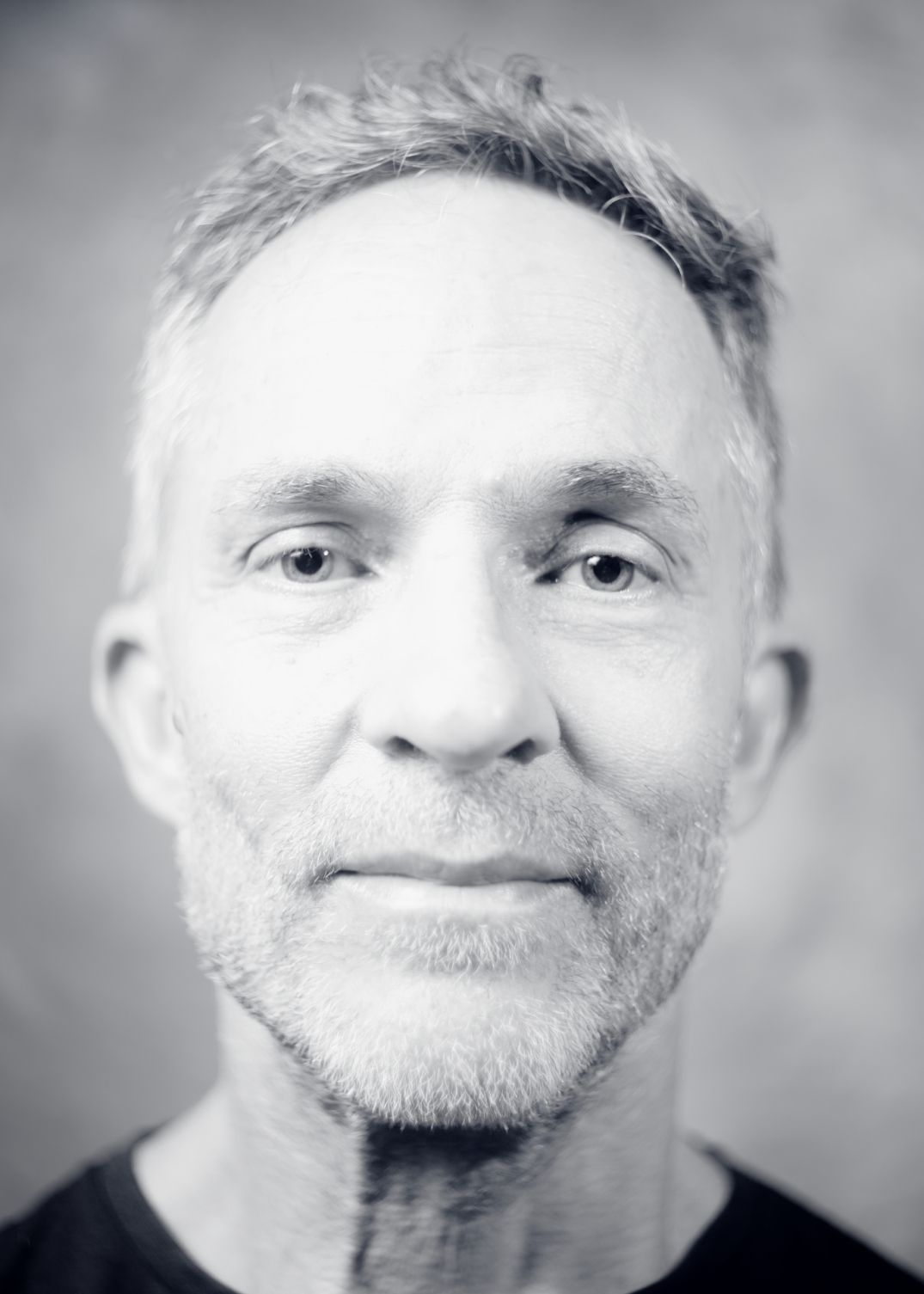
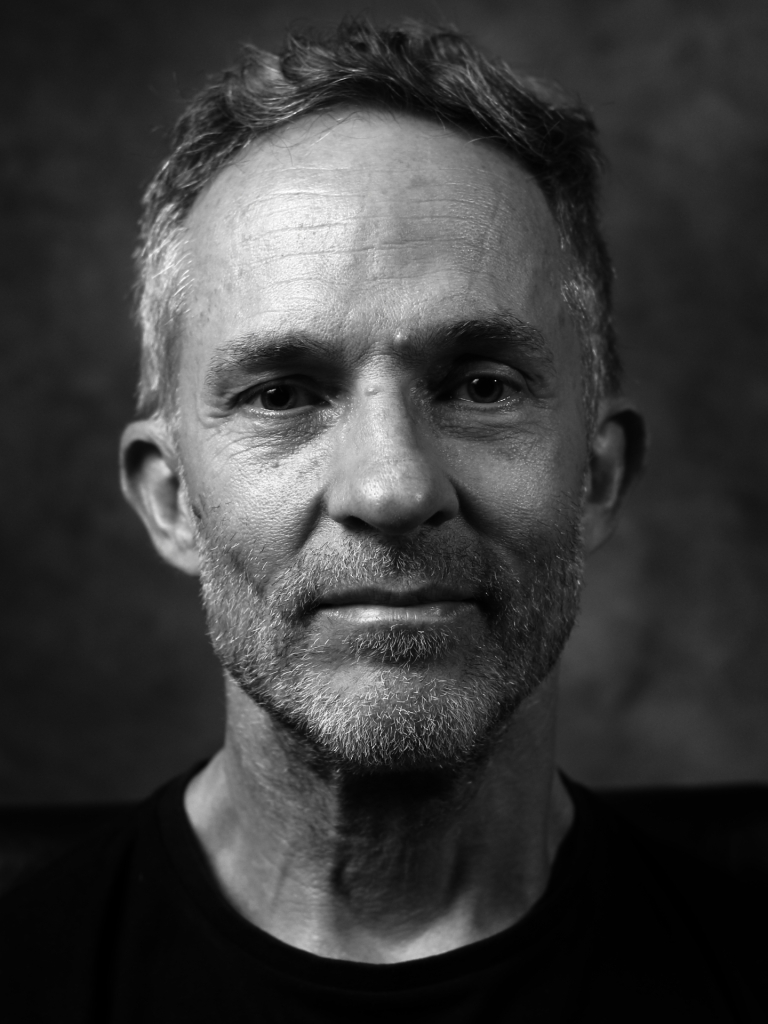
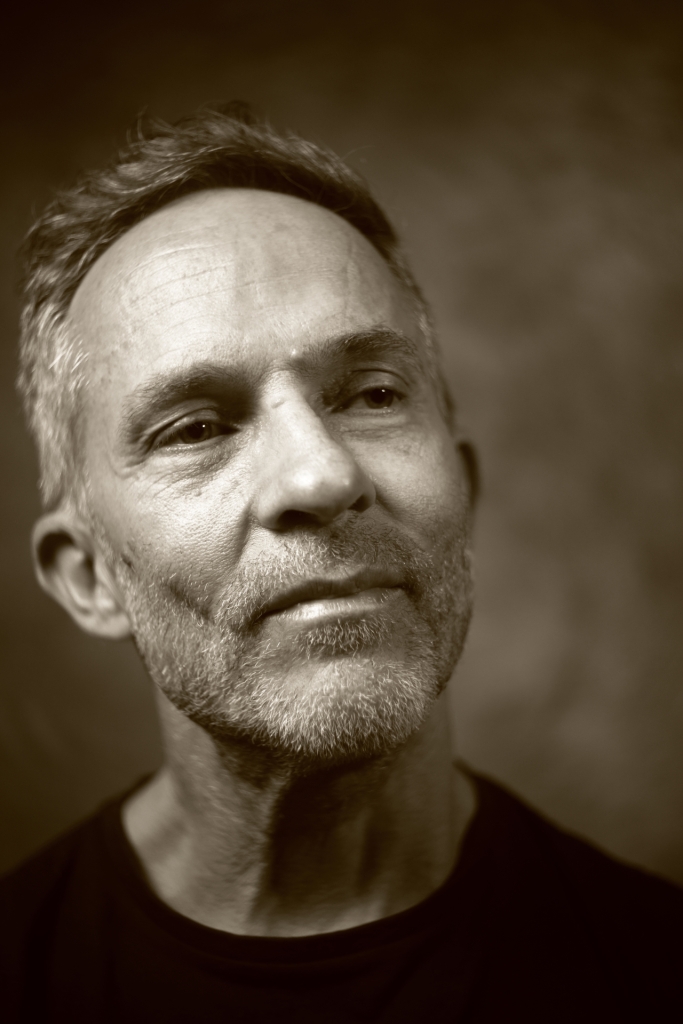
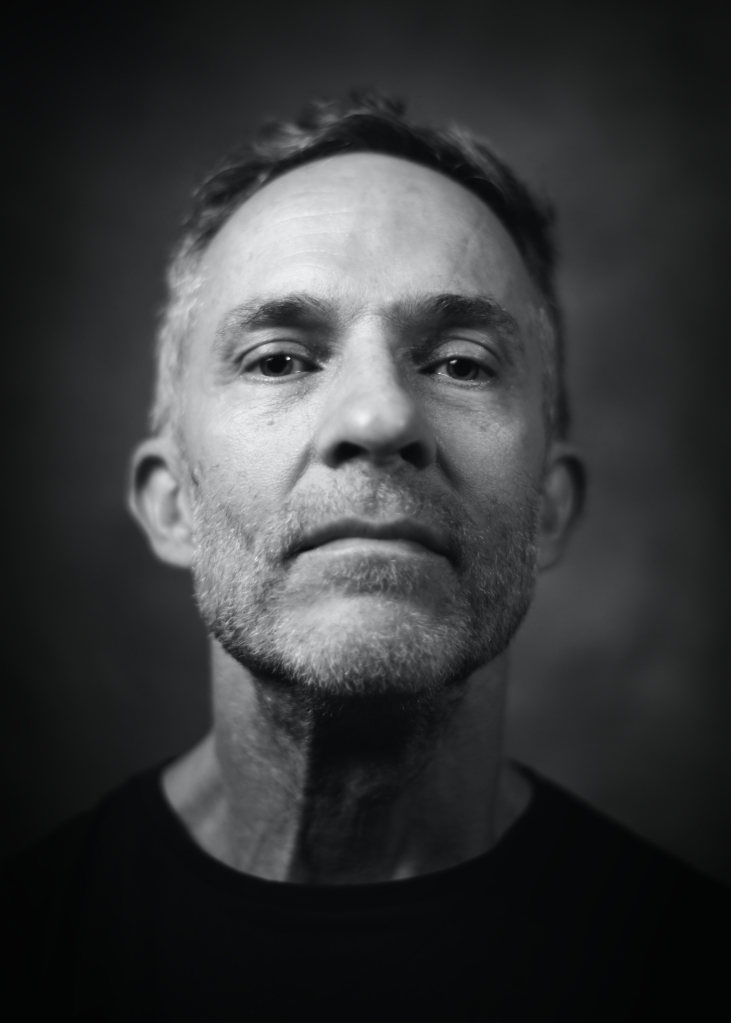
The other day I was having a chat with a friend about artistic process in photography. I made some portraits of him, and we were discussing about my creative decisions when making his images.
I told him that I have been developing this process for more than a decade, when I started composing (or making) music using electronic instruments. Nowadays I’m more engaged with photography, but the creative process is about the same.
Firstly, I think about what I want as a final result, the intention behind that piece of work. Then, I start joining the pieces and making the body of work. In music, this means putting together several instruments, voices etc.; in photography, this is the editing or post-production process, the manipulation of elements such as contrast, colors and textures. The composing or editing process goes on for a while, always with a direction in mind.
—
Outro dia, estava conversando com um amigo sobre processo artístico na fotografia. Fiz alguns retratos dele, e estávamos discutindo sobre minhas decisões criativas ao fazer suas imagens.
Contei a ele que venho desenvolvendo esse processo há mais de uma década, quando comecei a compor (ou fazer) música usando instrumentos eletrônicos. Hoje em dia estou mais engajado com a fotografia, mas o processo criativo é praticamente o mesmo.
Em primeiro lugar, penso no que quero como resultado final, a intenção por trás daquele trabalho. Então, começo a juntar as peças e dar forma à obra. Na música, isso significa reunir vários instrumentos, vozes etc.; na fotografia, é o processo de edição ou pós-produção, a manipulação de elementos como contraste, cores e texturas. O processo de composição ou edição continua por um tempo, sempre com uma direção em mente.
When I am in the middle of the creative process, I feel a certain unease. This feeling won’t disappear until I reach a certain tipping point.
All of a sudden, after the last touch of sound or color, I feel that the work is finished. It is such a relief! I feel like I’ve removed a heavy weight from my back, I feel light and happy. This is something that I can’t intellectually describe, but I always feel it when an art work is finished. By art here I don’t mean the great art produced by Michelangelo or Dalì – it’s all about my humble pieces of art.
—
Quando estou no meio do processo criativo, sinto uma certa inquietação. Essa sensação não desaparece até que eu alcance um determinado ponto de inflexão.
De repente, após o última nota musical ou modificação de cor, sinto que a obra está terminada. É um alívio! É como se eu tivesse tirado um peso enorme das minhas costas, me sinto leve e feliz. Isso é algo que não consigo descrever intelectualmente, mas sempre sinto quando uma obra de arte está finalizada. Por arte, não quero dizer as grandes obras produzidas por Michelangelo ou Dali – tudo aqui se resume às minhas humildes peças de arte.
This is a tricky moment, and I learned that whenever I feel that the work is completed, I shall not try to modify or improve it. Any attempt to do so will be catastrophic, as it would only destroy what I have struggled to create.
Whereas in music we add elements (instruments, voices) until we compose a full song, in photography we have an opposite process. We start with a world full of objects, elements, colors and shapes and deconstruct this world. We reduce it (by selecting areas, cropping and manipulating light) until we reach the minimum elements that convey our message.
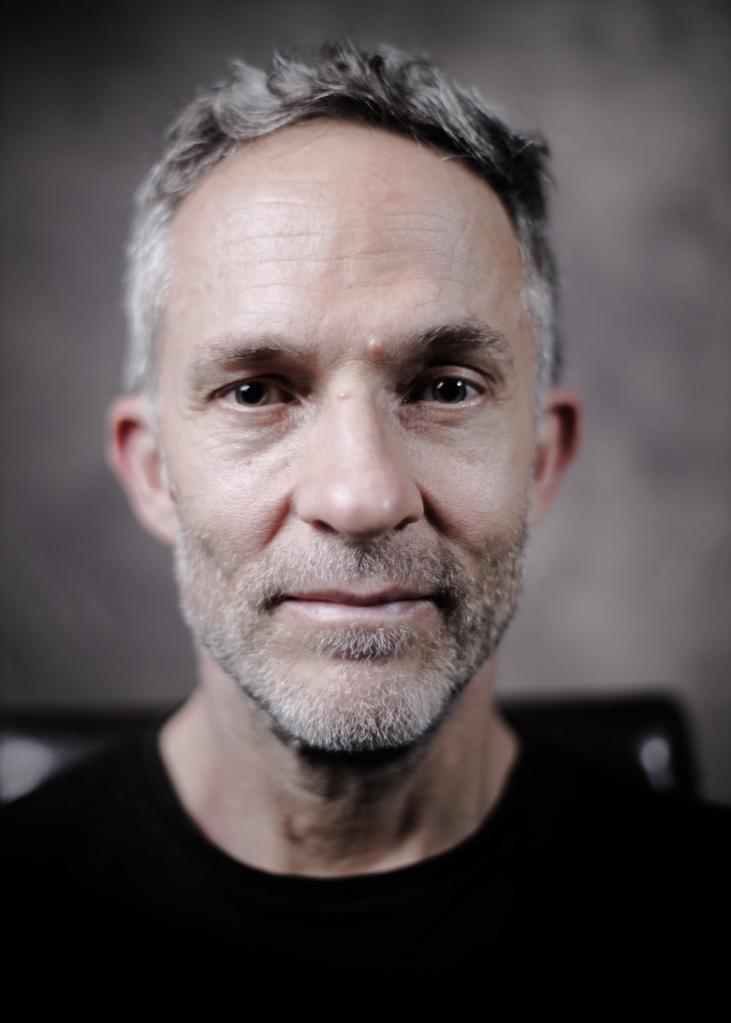
For these portraits, I wanted the shallowest depth of field. This would put the viewer in close contact with the subject. Maybe so close that we stop seeing obvious details and start connecting with him, noticing his look, emotions, expressions or thoughts. If I managed to do that, I’m very happy.
—
Este é um momento complicado, e aprendi que, sempre que sinto que o trabalho está concluído, não devo tentar modificá-lo ou melhorá-lo. Qualquer tentativa será catastrófica, pois só destruiria o que tanto lutei para criar.
Enquanto na música adicionamos elementos (instrumentos, vozes) até compor uma música completa, na fotografia temos um processo oposto. Começamos com um mundo cheio de objetos, elementos, cores e formas e desconstruímos esse mundo. Nós o reduzimos (selecionando áreas, recortando e manipulando a luz) até atingirmos o mínimo de elementos que transmitam nossa mensagem.
Para esses retratos, eu queria a menor profundidade de campo possível. Isso colocaria o espectador em contato próximo com o sujeito. Talvez tão perto que deixamos de ver detalhes óbvios e começamos a nos conectar com ele, percebendo seu olhar, emoções, expressões ou pensamentos. Se consegui fazer isso, fico muito feliz.
For those interested in the technical aspects, the editing process was very simple. I removed temporary blemishes (acne and other skin imperfections, stray hair) and converted the image to black and white. In many cases, I didn’t feel that B&W was conveying the feeling that I needed to express. So I added a single color, creating monochromatic images, or reducing the saturation and color pallete. All editing was subtle, I wanted to preserve a natural feeling.
—
Para os interessados nos aspectos técnicos, o processo de edição foi bem simples. Removi imperfeições temporárias (acne e outras imperfeições da pele, fios de cabelo soltos) e converti a imagem para preto e branco. Em muitos casos, não achei que o P&B transmitisse o sentimento que eu precisava expressar. Então, adicionei uma única cor, criando imagens monocromáticas ou reduzindo a saturação e a paleta de cores. Toda a edição foi sutil, minha intenção era preservar uma sensação natural.
I used a Canon full-frame camera and two lenses, a Zeiss 50mm f/1.4 and a vintage Helios 44-2 58m f/2 (made in the USSR in the 1980s). The lighting setup was a single softbox with grid on the left side as key light and a flash with small diffuser on the right for fill light.
As I usually stop down the lens (f/5.6 or more) to kill the ambient light and shape the light only with the softbox, I can’t use wider apertures, such f/2 or less. In order to achieve a very shallow depth of field while using artificial light, I added a 10-stop ND filter, so I could reach f/1.4 without overexposing the image.
—
Usei uma câmera full-frame da Canon e duas lentes, uma Zeiss 50mm f/1.4 e uma Helios 44-2 58m f/2 vintage (fabricada na URSS na década de 1980). A configuração de iluminação era uma softbox com grid do lado esquerdo como luz principal e um flash com difusor pequeno do lado direito como luz de preenchimento.
Como costumo fechar a lente (f/5.6 ou mais) para eliminar a luz ambiente e moldar a luz apenas com a softbox, não posso usar aberturas mais amplas, como f/2 ou menos. Para obter uma profundidade de campo muito rasa usando luz artificial, adicionei um filtro ND de 10 stops, para poder chegar a f/1.4 sem superexpor a imagem.
Amateur photographers sometimes struggle to find models for portraits. Finding great models is even more challenging. Fortunately, here in Brasilia there’s this group named “Fotomeet” (@fotomeetbsb), they organize meetups for photographers and models every month or so.
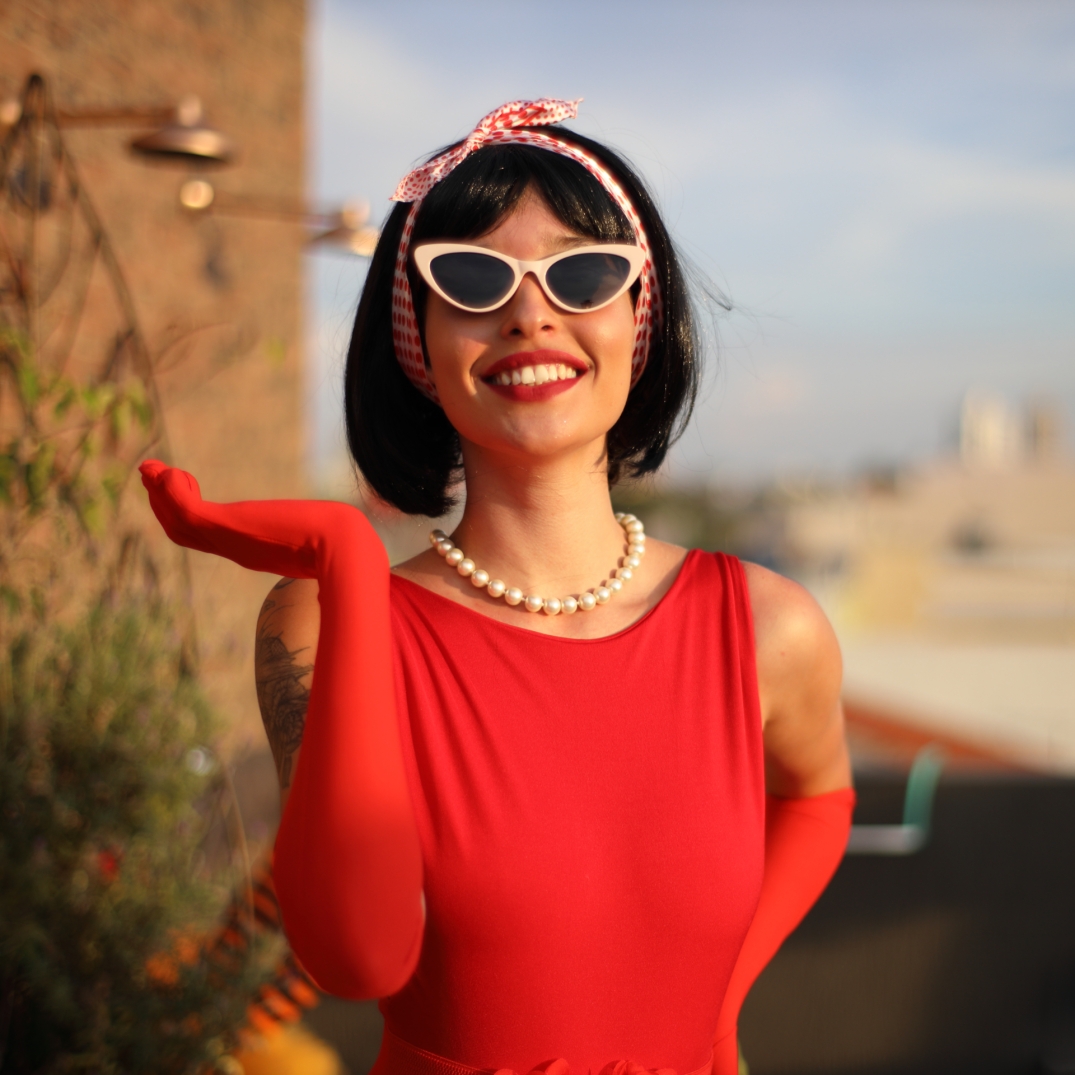
For my first meetup participation, I took a full-frame camera (the controversial EOS R, the first Canon mirrorless body, which I love) paired with the amazing Zeiss 50mm f/1.4, a manual focus, electronic aperture lens. And I was lucky enough to have the opportunity to shoot with Nicoly.
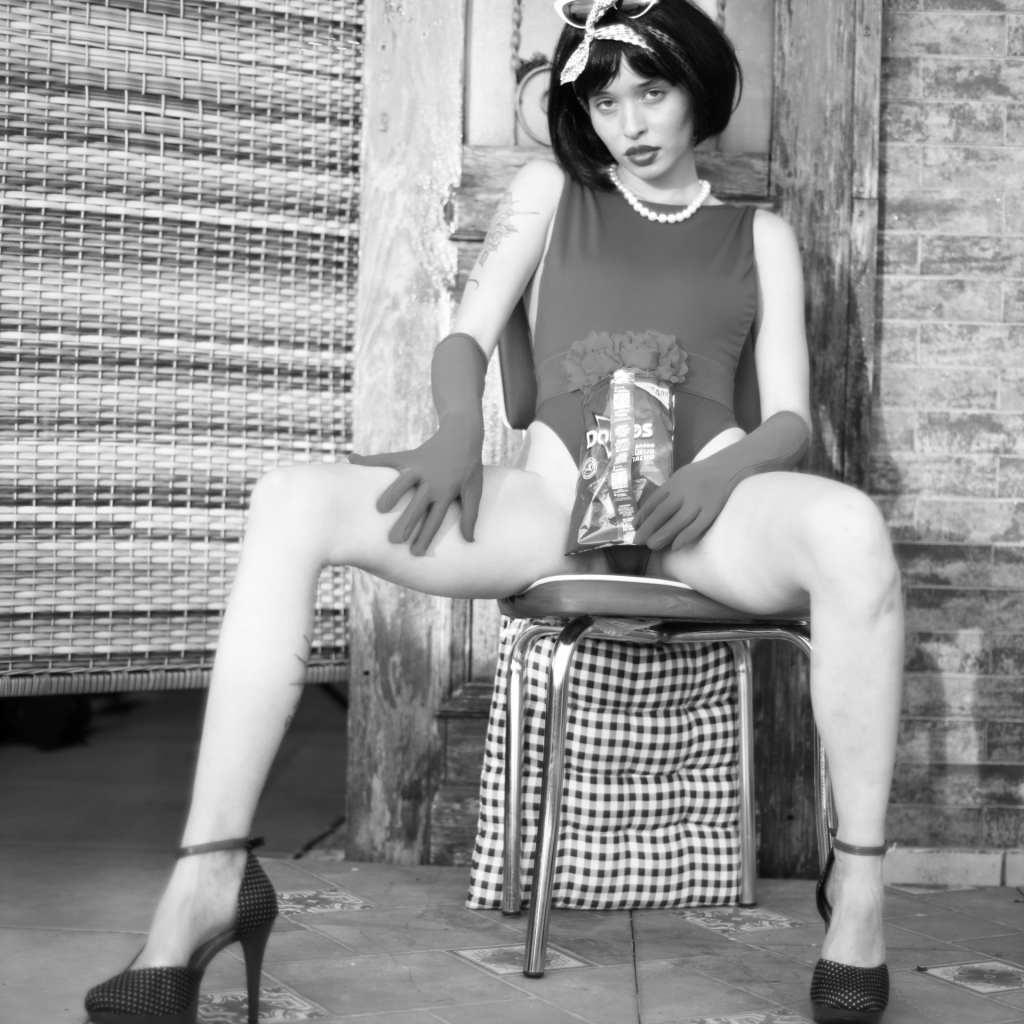
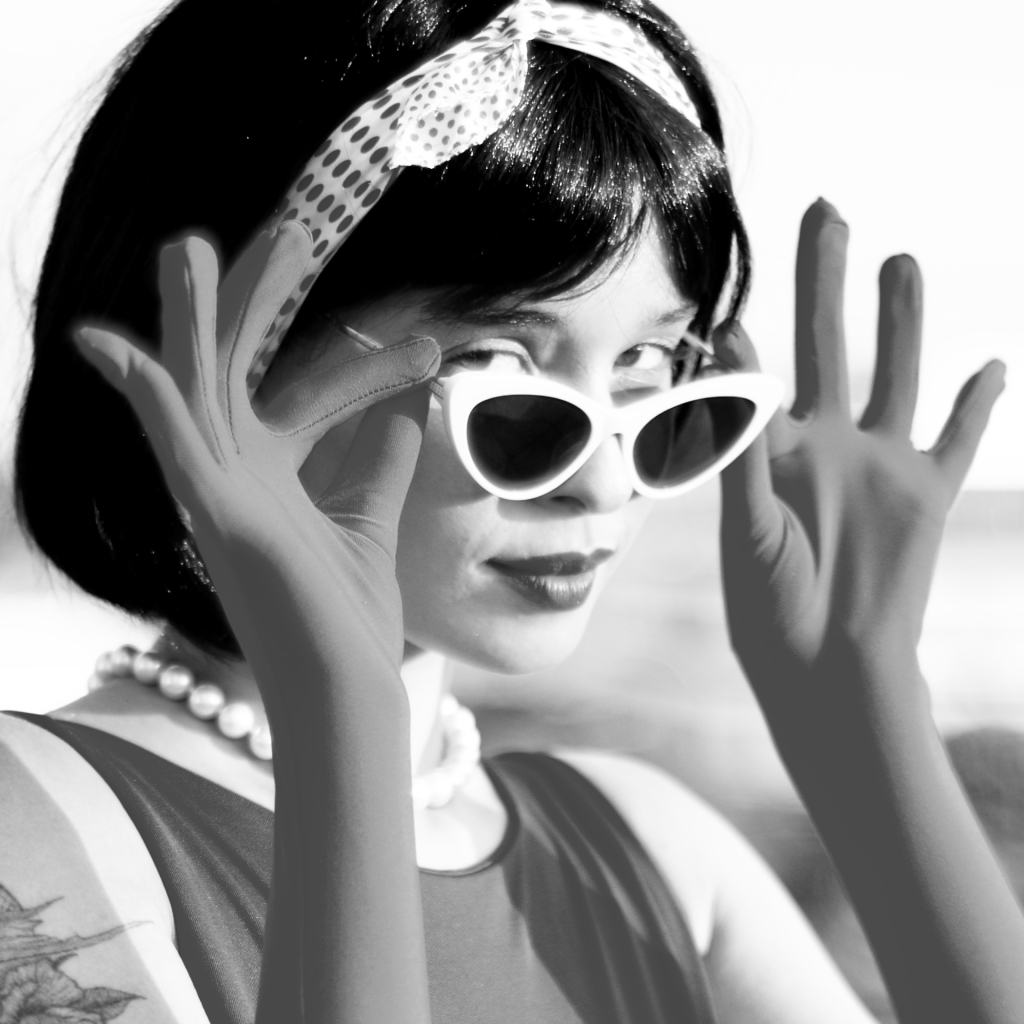
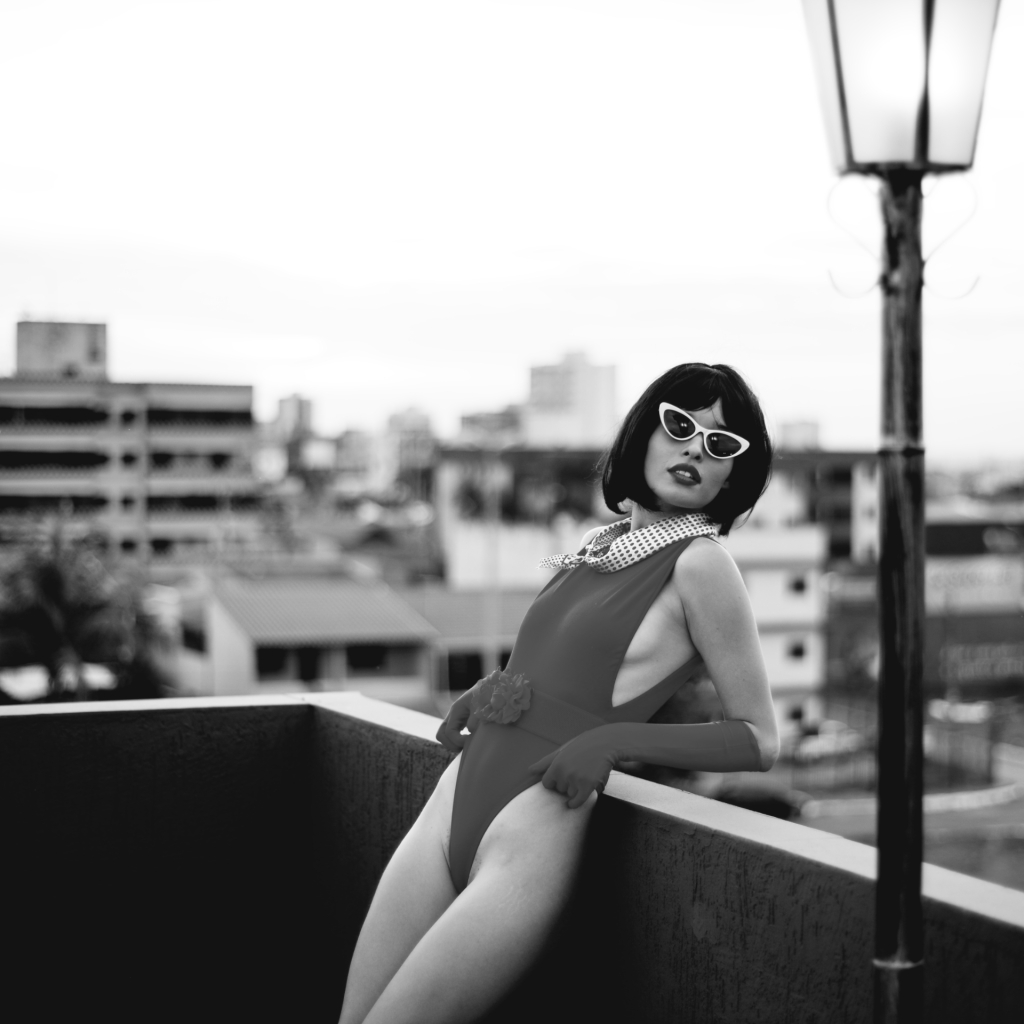
Nicoly is the kind of person who displays a very positive energy. As soon as I saw her posing for other photographers, I realized how special she is as a model. After taking photos with other photographers, she changed clothes and appeared dressed in red with a vintage, 1960s look.
—
Às vezes, fotógrafos amadores têm dificuldade para para encontrar modelos para retratos. Encontrar bons modelos é ainda mais desafiador. Felizmente, aqui em Brasília tem um grupo chamado “Fotomeet” (@fotomeetbsb), que organiza encontros para fotógrafos e modelos a cada mês ou poucos meses.
Na minha primeira participação no encontro, usei uma câmera full-frame (a controversa EOS R, primeiro corpo mirrorless da Canon, que eu adoro) combinada com a incrível Zeiss 50mm f/1.4, uma lente de foco manual e abertura eletrônica. E tive a sorte de ter a oportunidade de fotografar com a Nicoly.
Nicoly é o tipo de pessoa que transborda energia positiva. Assim que a vi posando para outros fotógrafos, percebi o quão especial ela é como modelo. Depois de fazer fotos com outros fotógrafos, ela se trocou e apareceu vestida de vermelho com um look vintage dos anos 1960.
The location, a building rooftop, provided for an airy atmosphere.
I love how this Zeiss lens delivers the images with a wide-open aperture. The soft focus creates a dreamy look, exactly the way I like. This sometimes reminds me of old film cameras, whose images aren’t clinically sharp as we are used to see from today’s cameras.
—
O local, no topo de um edifício, proporcionava uma atmosfera arejada. Adoro como essa lente Zeiss captura as imagens com uma abertura bem aberta. O foco suave cria um visual onírico, exatamente do jeito que eu gosto. Isso às vezes me lembra câmeras de filme antigas, cujas imagens não são clinicamente nítidas como estamos acostumados a ver nas câmeras atuais.
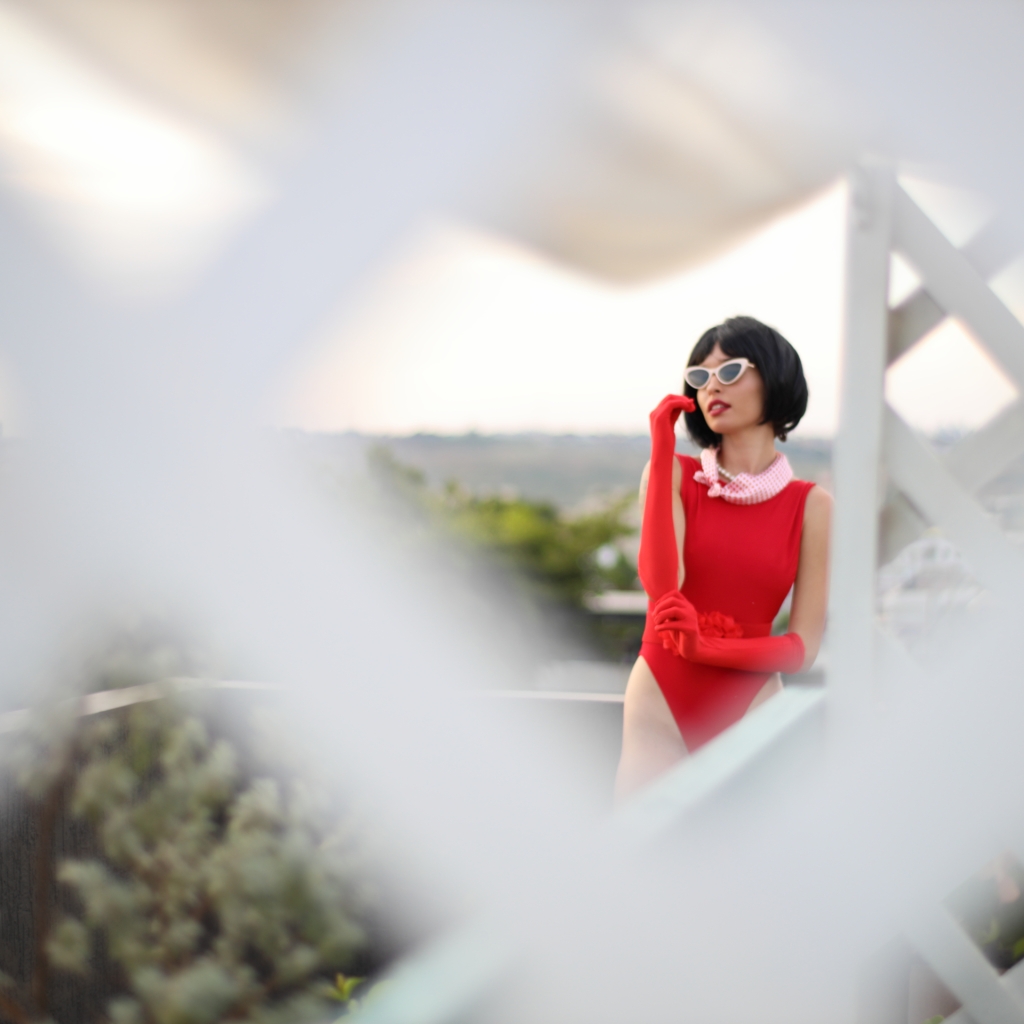
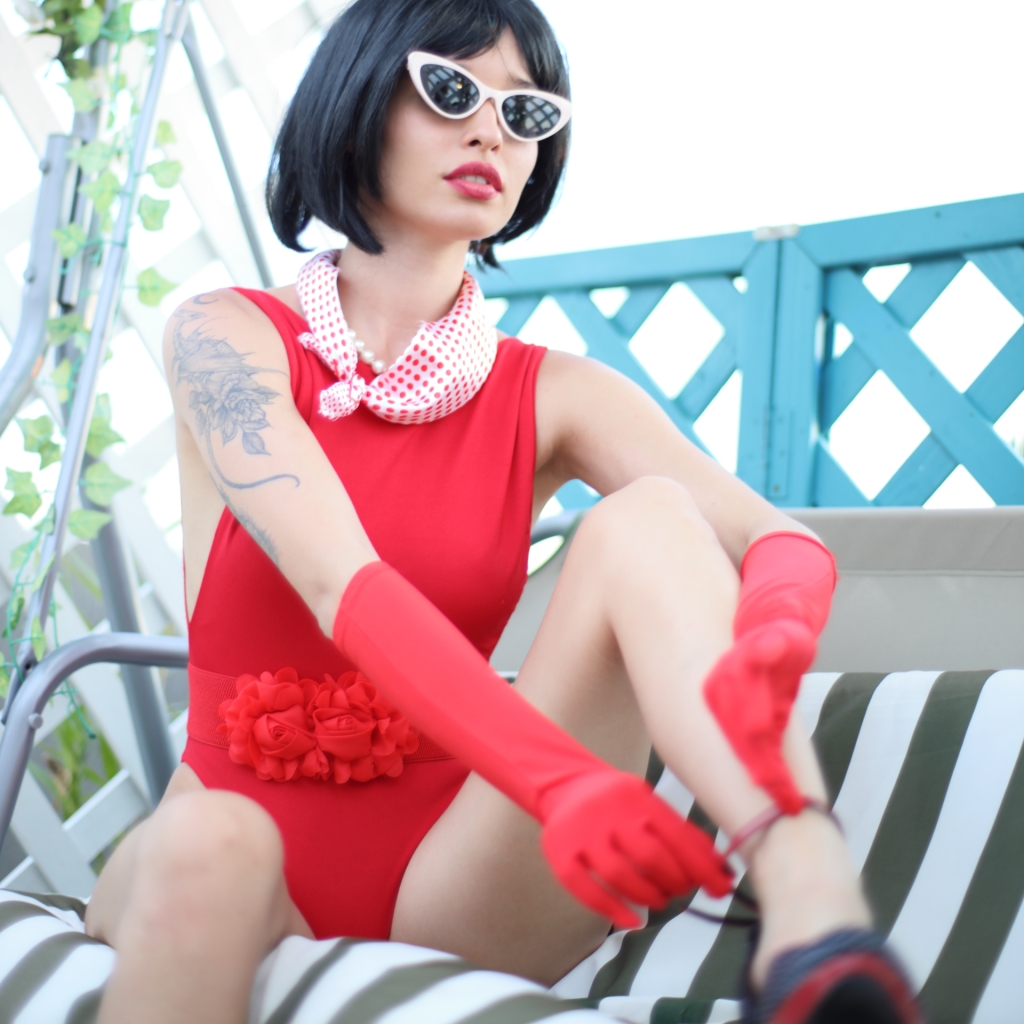
Models should be good at modelling. But great models need to be exceptional actresses as well. The ability of playing a character changes everything. Nicoly fits the second group, for sure.
—
Modelos precisam ser boas na hora de posar. Mas as grandes modelos, além disso, precisam ser atrizes excepcionais. A habilidade de interpretar um personagem muda tudo. A Nicoly se encaixa no segundo grupo, com certeza.
In the end, I found that this first part of the photoshoot resulted in a cool fashion magazine vibe.
—
Por fim, achei que essa primeira parte do ensaio fotográfico resultou em uma vibe bem legal de revista de moda.
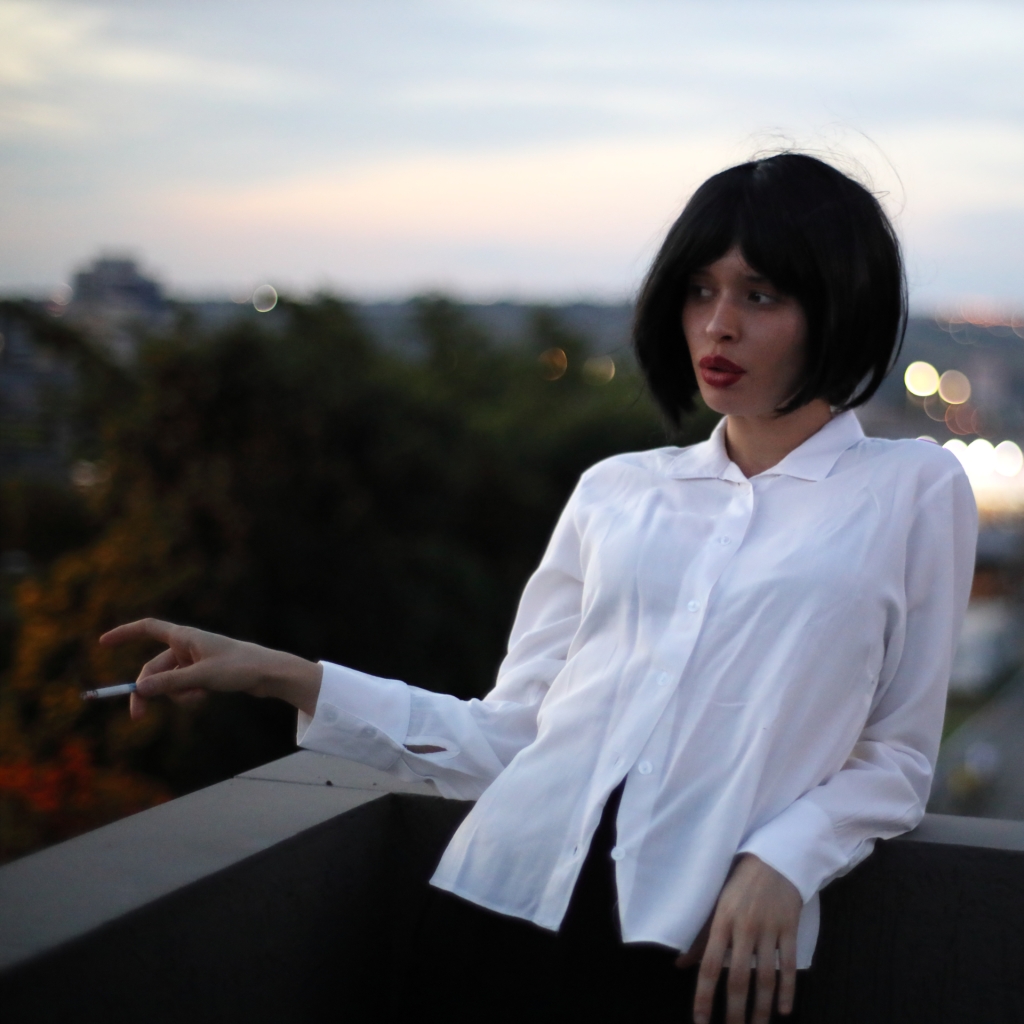
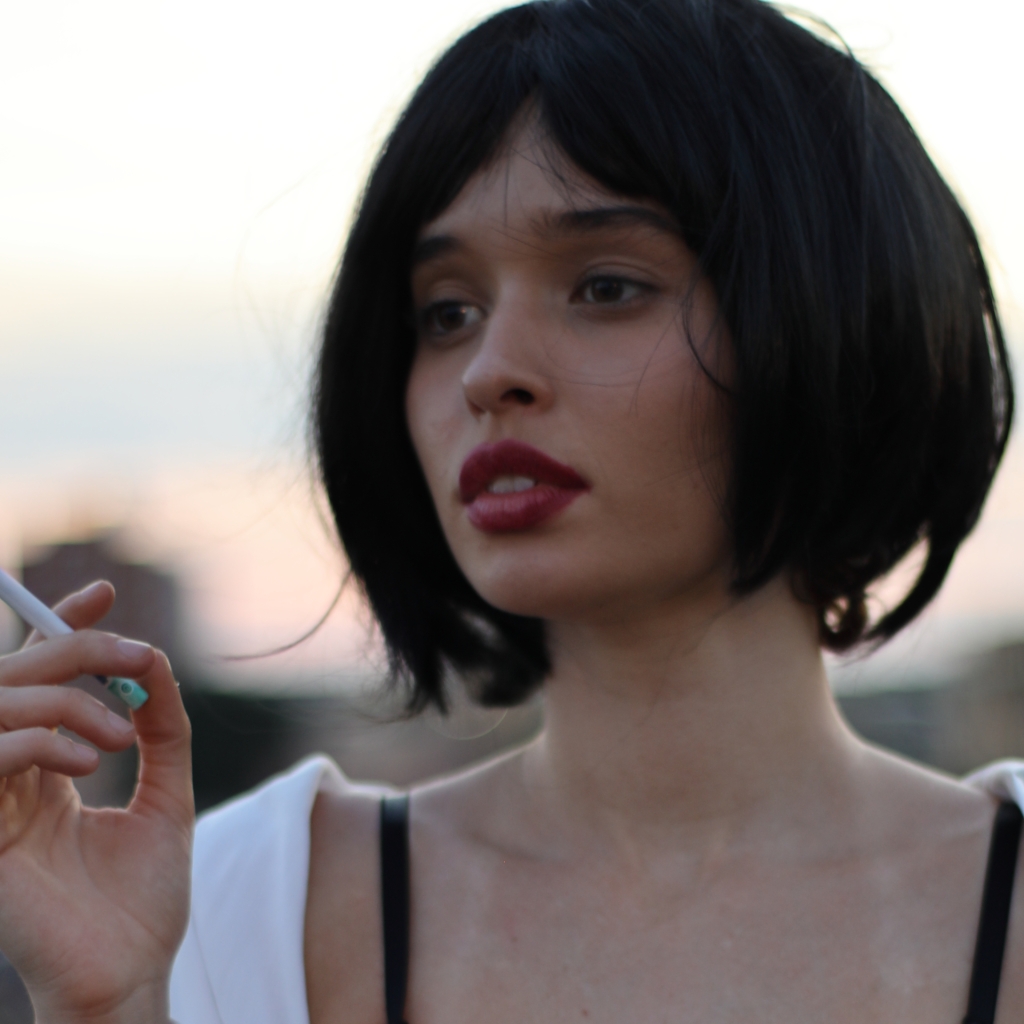
After that, Nicoly appeared again with a white shirt, a cigarrete and a totally different tone. This time, a Pulp Fiction look dominated the set. This happened at the sunset, so the light and energy couldn’t have been better than that. She’s started dancing, totally absorbed, and reproduced that memorable scene with John Travolta.
—
Em seguida, Nicoly apareceu novamente, com uma camisa branca, um cigarro e um tom totalmente diferente. Desta vez, um look Pulp Fiction dominou o cenário. Isso aconteceu no pôr do sol. A luz e a energia não poderiam ser melhores. Ela começou a dançar, totalmente absorta, e reproduziu aquela cena memorável com John Travolta.
My conclusion is quite simple: if you want to make a superb portrait photoshoot, finding a great model is the first step.
—
A minha conclusão é bem simples: se você quer fazer um ensaio fotográfico incrível, encontrar uma ótima modelo é o primeiro passo.
Looking back, I was lucky that Nicoly interpreted these characters so well. On that occasion, I didn’t have to plan anything, it all happened by chance. But, for a successful photoshot, my second advice would be to plan every detail of the session well ahead.
—
Olhando para trás, tive sorte que a Nicoly interpretou esses personagens tão bem. Naquele dia, não tive que planejar nada, tudo aconteceu por acaso. Mas, para um ensaio fotográfico ter sucesso, meu segundo conselho seria planejar bem todos os detalhes da sessão com muita antecedência.
If you follow some photographers on YouTube, you might already be familiar with Alister Benn’s YouTube channel, Expressive Photography. Alister often talks about the benefits of landscape photography for mental health. He considers that the very act of being in the field, appreciating nature and connecting to the environment can bring great benefits for our health. His perspective resonates strongly with me.
In this context, I noticed that I had been having hectic days, busy at the work and also preparing to move abroad with family and pets. All this had a direct impact on my health, in the form of a back pain. It’s under control now, but it’s a sign that the pressure is mounting.
So, as I would travel by car to Goiânia, a neighbour town where my mother and friends live, I brought a drone with me. The idea was to make some aerial images on the way. This wouldn’t consume much time and could provide some fun.
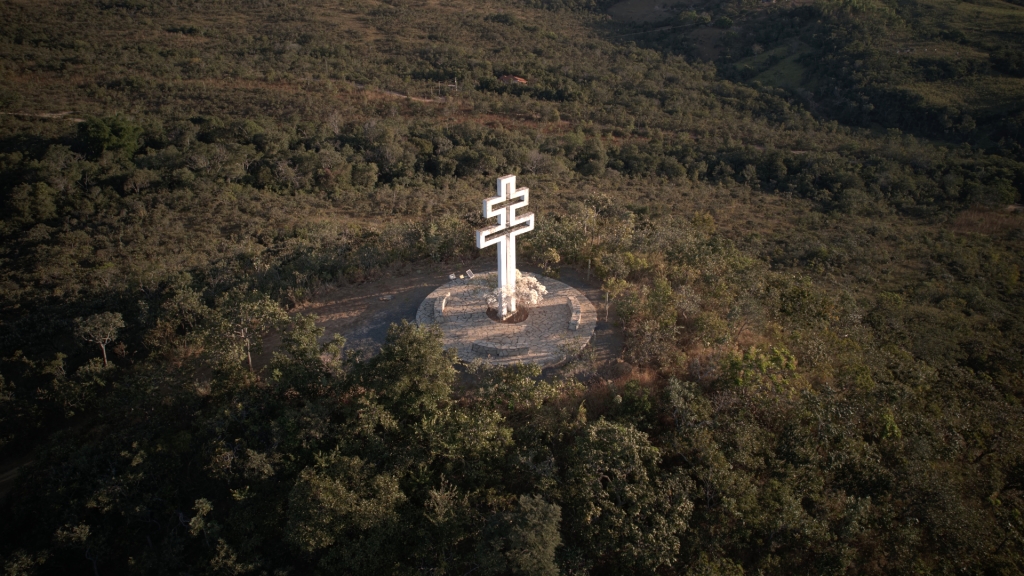
I stopped on a café by the road and prepared the drone. The region here in Central Brazil is quite flat, so I checked if there were some elevations nearby, which could provide some visual interest. I took off, flew over some small farms and over areas of the Cerrado (the local biome) that are still well-preserved. I then flew towards a double cross on an elevation by the road, just to make a quick snapshot. I then took an ugly, uninteresting photo – yes, we photographers make awful images all the time. But our secret is that we usually don’t let others know!
—
Se você segue alguns fotógrafos no YouTube, provavelmente já conhece o canal Expressive Photography, do Alister Benn. Alister fala frequentemente sobre os benefícios da fotografia de paisagem para a saúde mental. Ele acredita que o simples ato de estar em campo, apreciando a natureza e se conectando com o meio ambiente pode trazer grandes benefícios para a nossa saúde. Concordo bastante com a perspectiva dele.
Nesse contexto, percebi que estava tendo dias agitados, ocupado no trabalho e também me preparando para me mudar para o exterior com a família e os pets. Tudo isso teve um impacto direto na minha saúde, resultando em uma dor nas costas. Agora está controlada, mas é um sinal de que a pressão está aumentando.
Então, como eu viajaria de carro para Goiânia, cidade vizinha onde moram minha mãe e minhas irmãs, levei um drone comigo. A ideia era fazer algumas imagens aéreas no caminho. Isso não consumiria muito tempo e poderia ser divertido.
Parei em um café na estrada e preparei o drone. A região aqui no centro do Brasil é bem plana, então verifiquei se havia algumas elevações por perto, que pudessem fornecer algum interesse visual. Decolei, sobrevoei algumas pequenas fazendas e áreas do Cerrado (o bioma local) que ainda estão bem preservadas. Em seguida, voei em direção a uma dupla cruz em uma elevação perto da estrada, apenas para fazer um registro rápido. Então tirei uma foto feia e sem graça – sim, nós fotógrafos fazemos imagens horríveis o tempo todo. Mas o nosso segredo é que geralmente não as mostramos para os outros!
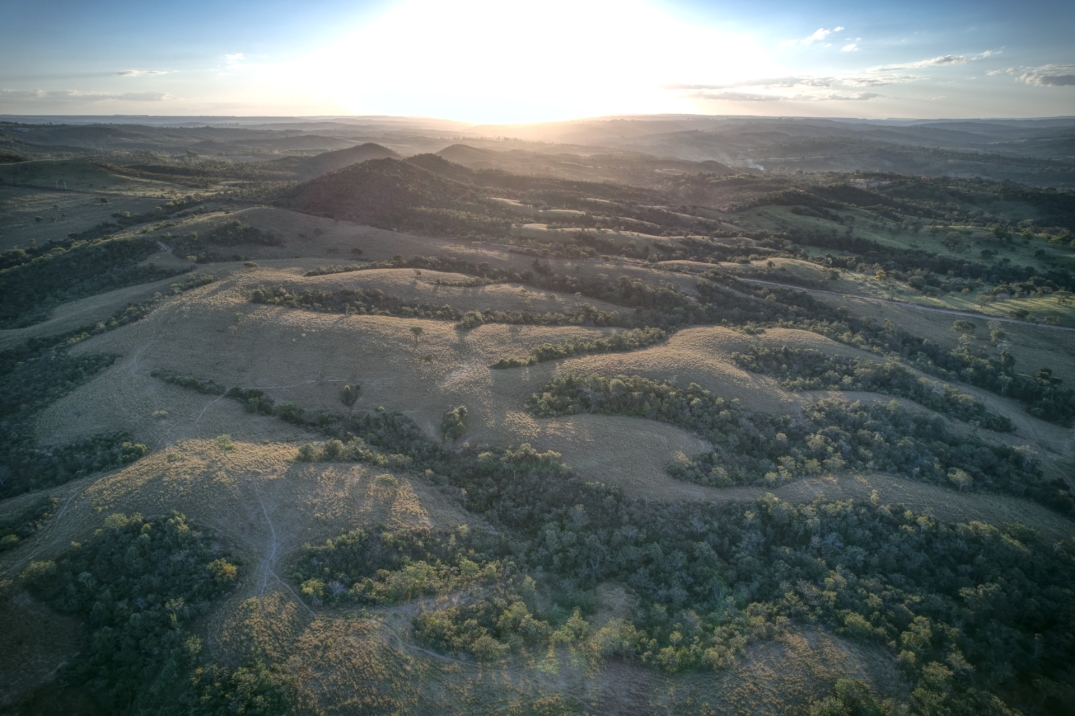
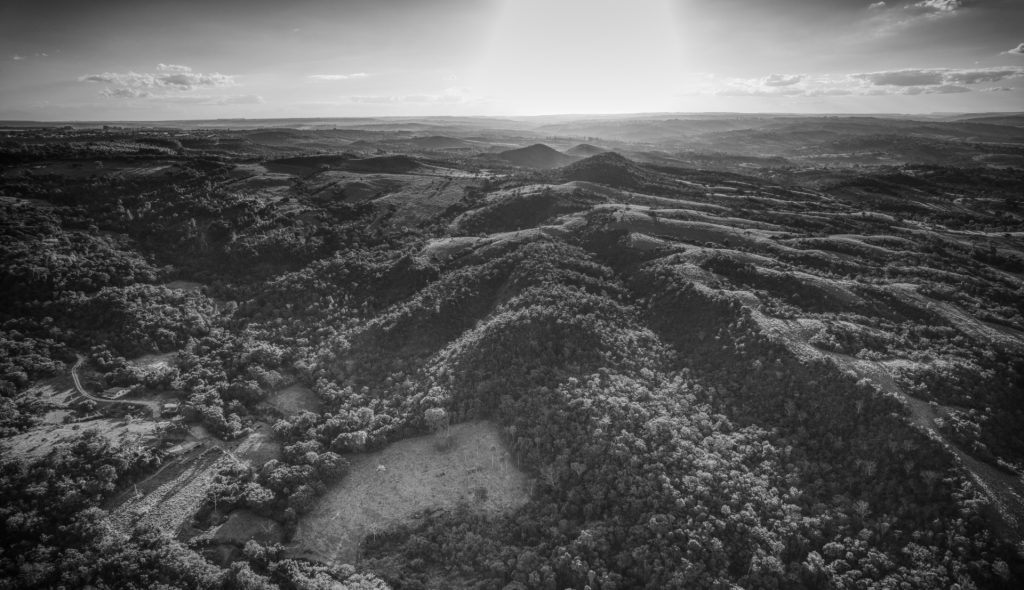
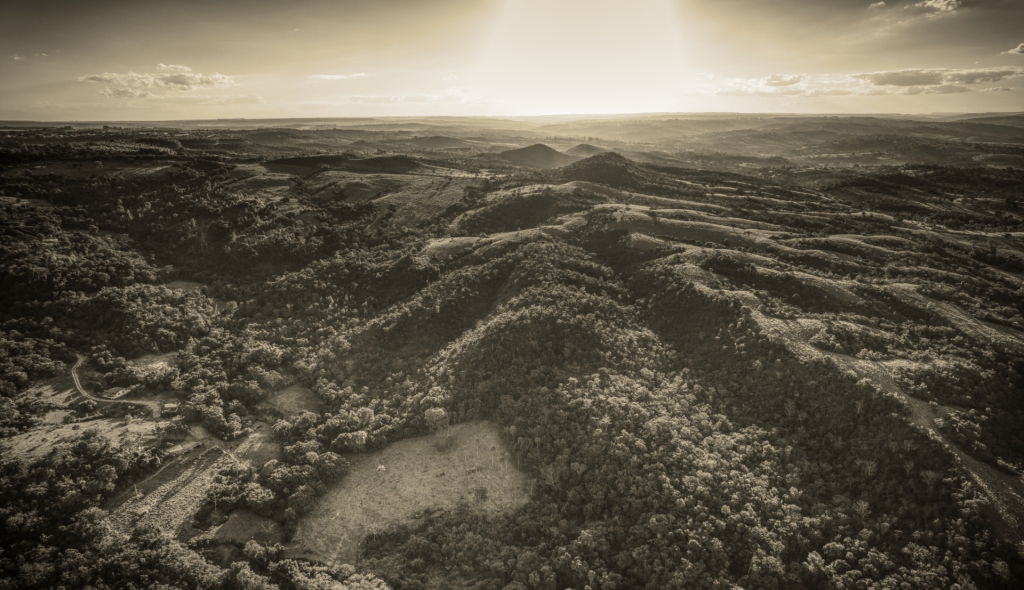
As the Sun was low in the sky, there were already some shadows here and there, which could end up as an interesting target for a bakcklit panorama. I flew the drone about 2 kilometers to find a better spot, and got it. Given the high contrast, I thought the scene would work well in black and white. But, when editing, i found that a yellow monochrome proved to be even more interesting, resulting in a warmer, more vivid impression of that moment. You can compare the two edits below:
—
Como o sol estava baixo no céu, já havia algumas sombras aqui e ali, que poderiam acabar sendo um alvo interessante para um panorama com contraluz. Voei o drone por cerca de 2 quilômetros para encontrar um local melhor e consegui. Em razão do alto contraste, achei que a cena funcionaria bem em preto e branco. Mas, durante a edição, descobri que um monocromático em amarelo se mostrou ainda mais interessante, resultando em uma impressão mais quente e vívida daquele momento. Você pode comparar as duas edições abaixo:
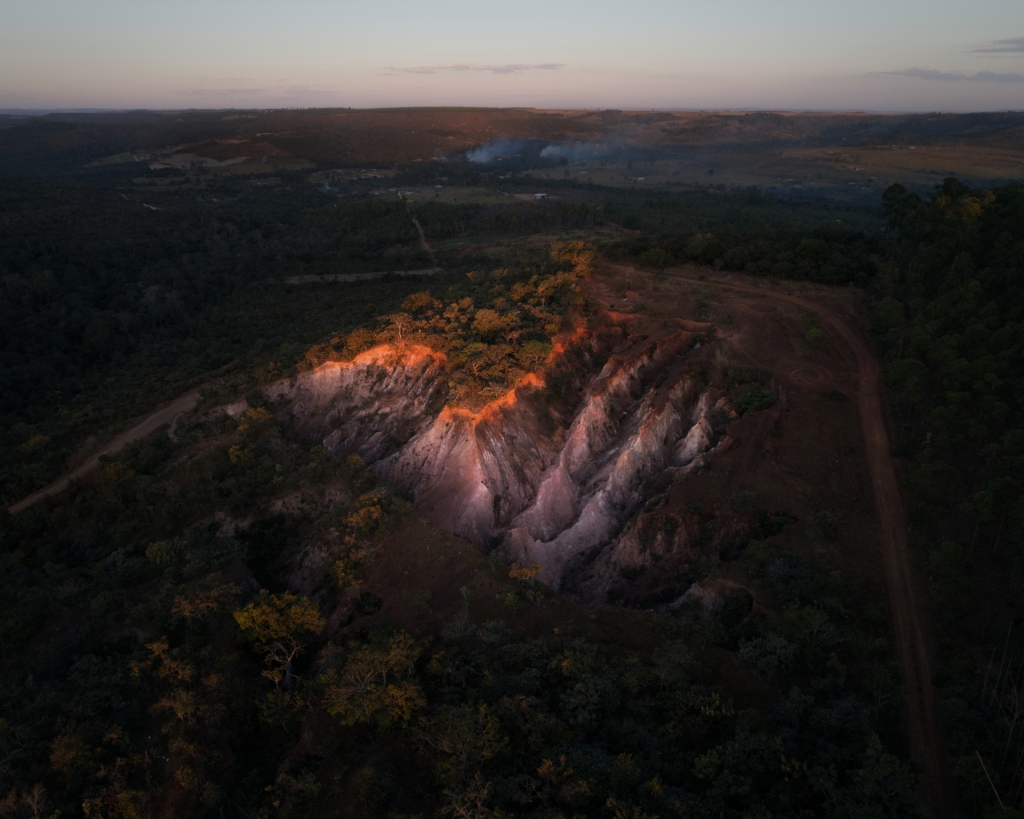
Just before I landed the drone, I spotted something truly unexpected: strange rock formations receiving a last ray of light before sunset. I don’t know what these formations are. I can’t even say whether they’re natural or some kind of excavation or mining work. But they are for sure an unusual sight, just a few hundred of meters away, hidden behind that café from where I was flying the drone.
I edited the photo to make the rock formations stand out. I wanted some “drama”. I hope I got it. This drone (DJI Mavic Air 2S) has a 1″ sensor and 20MP, and it has a quite capable camera, which delivers good quality images. It is also a fun drone to fly.
—
Pouco antes de pousar o drone, avistei algo realmente inesperado: estranhas formações rochosas recebendo o último raio de luz antes do pôr do sol. Não sei o que são essas formações. Não posso nem dizer se são naturais ou algum tipo de obra de escavação ou mineração. Mas com certeza são uma visão incomum, a apenas algumas centenas de metros de distância, escondidas atrás daquele café de onde eu estava pilotando o drone.
Editei a foto para destacar as formações rochosas. Eu queria um certo “drama”. Espero ter conseguido. Este drone (DJI Mavic Air 2S) possui um sensor de 1″ e 20MP, e possui uma câmera bastante competente, que entrega imagens de boa qualidade. Também é um drone divertido de pilotar.
After I captured the images, I immediately noticed how relieved I was feeling. I spent almost one hour just flying around, seeing things that I didn’t know they existed, although I’ve driven on that same road many, many times before.
It’s remarkable what just a few minutes of immersion on a “flow state” while doing landscape photography can provide us in terms of well being. I find myself now refreshed and lighter. And I don’t care much about the quality of the photos I made. The fun of fying a drone and discoverying sites was worth more than the final images anyway. That’s the joy of photography.
—
Depois de capturar as imagens, percebi imediatamente o quão aliviado estava me sentindo. Passei quase uma hora apenas voando, vendo coisas que nem sabia que existiam, embora tenha dirigido naquela mesma estrada muitas e muitas vezes antes.
É incrível o que apenas alguns minutos de imersão em um “estado de fluxo” ao fazer fotografia de paisagem pode nos proporcionar em termos de bem-estar. Agora me sinto revigorado e mais leve. E não ligo muito para a qualidade das fotos que tirei. De qualquer modo, a diversão de pilotar um drone e descobrir locais valeu mais do que as imagens finais . Esse é o prazer da fotografia.
The other day I was taking portraits of a friend, Renzo, and he said that he hates sunset photos. I found it curious and I agreed that most sunset photos might indeed be boring. I then started to think about my sunset images.
When I was a child, my father would let me use his Olympus Trip 35, a 35mm film camera, and make a few shots. He was very protective of his camera (as well as of his Ray-Ban glasses), so I had to take extra care. I mostly shot some landscape and, obviously, sunsets.
And then several other recent sunset images that I made came to my mind.
I added to Renzo, almost like an excuse, that I did shoot sunsets in the past, but I tried to make them different. The photo above, for instance, was made using a lot of zoom, so the Sun appears bigger than we normally see it. The picture is quite simple, but the birds and the boats add a slight movement to the scene, so we can perceive it as if we were there. I do enjoy this image, although it is just another sunset.
Renzo and I agreed that the quality of the light after the sunset is usually nicer than the sunset itself. And then this image below came to my mind. It’s a long exposure (actually, a few seconds), which made the clouds a bit messy. I like the dark sillouette of the rocks and the pink and blue colours. It’s a sunset without the sun and the usual yellow glow. Well, maybe I should call it non-sunset or post-sunset.
—
Outro dia, eu estava fazendo retratos do meu amigo Renzo, e ele disse que detesta fotos do pôr do sol. Achei curioso e concordei que muitas dessas fotos podem ser realmente sem graça. Então comecei a pensar nas minhas próprias imagens de pôr do sol.
Quando criança, meu pai me deixava usar sua Olympus Trip 35, uma câmera de filme 35mm. Ele tinha ciumes da câmera (assim como dos óculos Ray-Ban), então eu tinha que tomar muito cuidado. Fotografei principalmente paisagens e, obviamente, pores do sol.
Então várias outras imagens recentes que fiz de pôr do sol vieram a minha mente.
Quase como um pedido de desculpas, expliquei para o Renzo que eu já havia fotografado pores do sol no passado, mas que eu tentava torná-los diferentes. A foto acima, por exemplo, foi feita usando muito zoom, então o Sol parece maior do que normalmente o enxergamos. A imagem é bem simples, mas os pássaros e os barcos dão um leve movimento à cena, então podemos percebê-la como se estivéssemos lá. Eu gosto dessa imagem, embora seja apenas mais um pôr do sol comum.
Renzo e eu concordamos que a qualidade da luz após o pôr do sol costuma ser mais bonita do que o próprio pôr do sol. E então me lembrei dessa imagem aqui embaixo. É uma longa exposição (na verdade, de alguns segundos), o que deixou as nuvens um pouco mexidas. Gosto da silhueta escura das rochas e das cores rosa e azul. É um pôr do sol sem o sol e sem o brilho amarelo comum. Bom, talvez eu devesse chamá-lo de não-pôr-do-sol ou pós-pôr-do-sol.
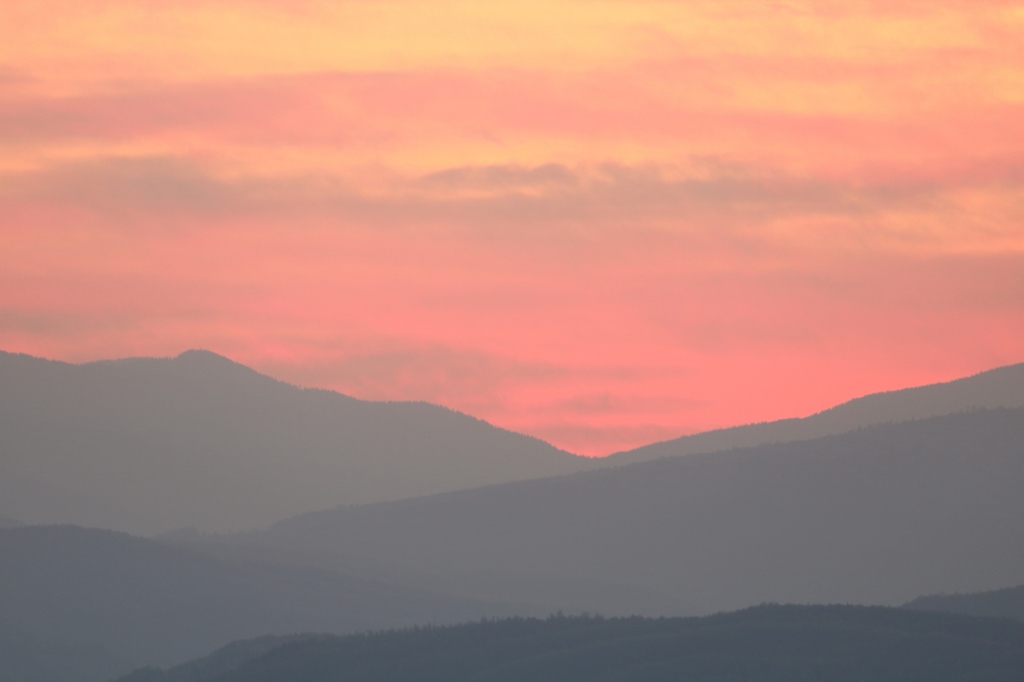
Definitely, a way of making sunsets photos less predictable is using zoom (or another unusual focal length) and not going for the obvious – the Sun setting. Like this photo below, which comprises layers of land, clouds and colours. Even though the colour pallete is warm, I think this image evokes peace and calm. Another non-sunset image.
—
Certamente, uma maneira de tornar as fotos do pôr do sol menos previsíveis é usar zoom (ou outra distância focal incomum) e não focar no óbvio – o sol se pondo. Como esta foto aqui embaixo, que mostra camadas de terra, nuvens e cores. Mesmo com a paleta de cores quente, acho que essa imagem evoca paz e calma. Acaba sendo mais uma imagem que não é exatamente o pôr do sol.
I think Renzo has a point. He hates sunset photos and this happens because we love sunsets. They’re an easy target for us photographers of any level. They usually provide contrast and a warm glow, which automatically makes the image more attractive. However, although all sunsets are not the same, they do look terribly similar.
The great challenge for us photographers (amateurs or pros) is to make our sunsets unique. Or, at least, less similar to all those that we’ve already seen.
Thank you, Renzo. After our talk, I’ll never manage to photograph a sunset again before thinking twice.
—
Renzo tem razão. O fato de ele detestar fotos do pôr do sol tem a ver justamente com o nosso fascínio por essa cena. Nós, fotógrafos de todos os níveis, acabamos vendo pores do sol como um alvo fácil. Eles costumam apresentar contraste e luz quente, tornando a imagem automaticamente mais atraente. No entanto, embora cada pôr do sol tenha suas particularidades, no fim das contas acabam sendo todos terrivelmente parecidos.
O grande desafio para nós fotógrafos (amadores ou profissionais) é tornar nossos pores do sol únicos. Ou, pelo menos, um pouco diferentes de todos aqueles que já vimos.
Obrigado, Renzo. Depois da nossa conversa, nunca mais vou conseguir fotografar um pôr do sol sem pensar duas vezes.
In some cases, this might be a frustrating experience, as our smartphones don’t have the necessary sensor size to capture it in detail. Even using a “real” camera with a big sensor and a telephoto lens, getting a perfect image is not always easy.
Over time, we realize the Moon always appears the same. Same craters, same shadows, same face towards the Earth. So what’s the point in taking pictures of the Moon?
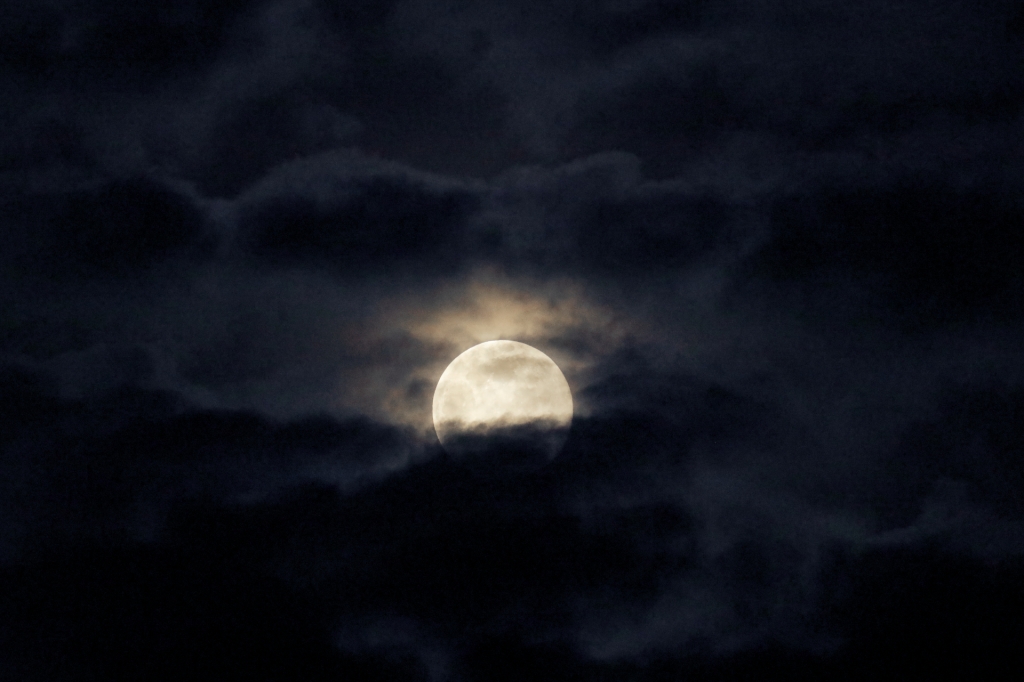
It’s always rewarding to capture an image of such a distant object. Moreover, it’s great when we manage to include the Moon in a bigger context. Such as between the clouds, as shown below.
—
Quem nunca tentou fotografar a Lua?
Essa experiência pode ser frustrante em alguns casos, já que nossos smartphones não possuem sensor com tamanho necessário para capturá-la com detalhes. Mesmo usando uma câmera “profissional” com um sensor grande e uma teleobjetiva, conseguir uma imagem perfeita nem sempre é fácil.
Com o tempo, percebemos que a Lua sempre parece a mesma. As mesmas crateras, as mesmas sombras, a mesma face voltada para a Terra. Qual é, então, o sentido de tirar fotos da Lua?
É sempre gratificante capturar a imagem de um objeto tão distante. Além disso, é ótimo quando conseguimos incluir a Lua em um contexto maior, como no meio das nuvens, a exemplo da imagem abaixo.
The image above is a single handheld shot and depics that emotional view that we usually have with our bare eyes. Here, the Moon appears slightly larger. The yellow/blue contrast also revives the mysterious atmosphere of a full moon. I take pride in this photo, not just for its emotional impact, but also because it’s a single capture. Anyone who has ever tried to do this will know how difficult it is to deal with such extremes of brightness and darkness on the same image.
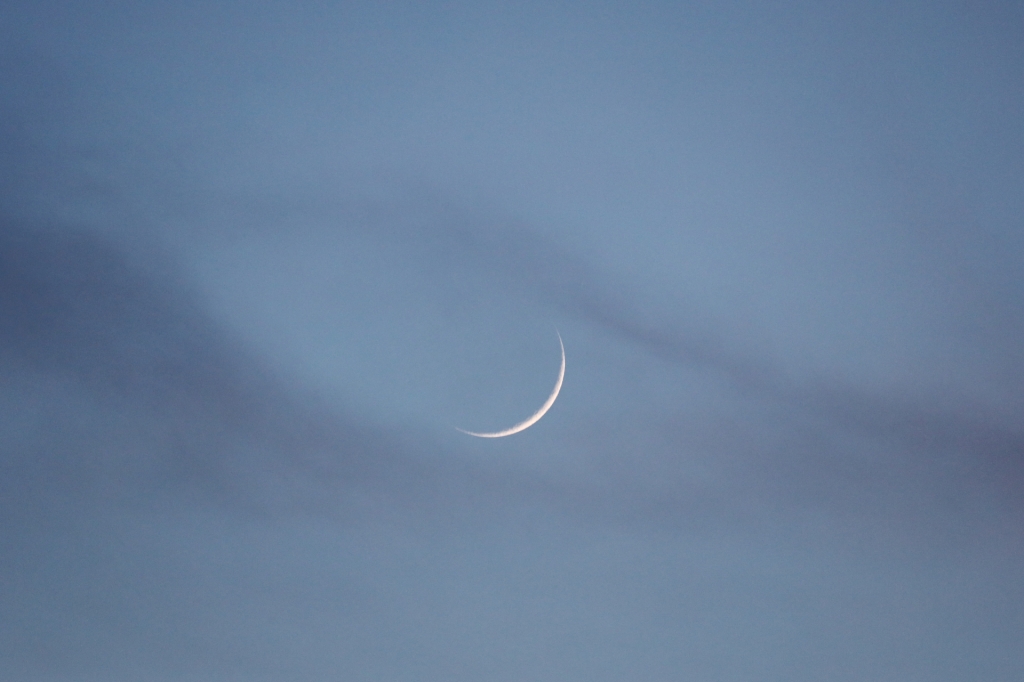
The photograph below is all about simplicity and minimalism. No crater, no detail, just the mood of a nostalgic post-sunset moment.
—
A imagem acima é uma única foto feita sem tripé e retrata aquela visão emotiva que costumamos ter a olho nu. Aqui, a Lua parece um pouco maior. O contraste amarelo/azul também revive a atmosfera misteriosa de uma lua cheia. Tenho orgulho dessa foto, não apenas pelo seu impacto emocional, mas também porque é uma cena única. Quem já tentou fazer isso sabe o quanto é difícil lidar com esses extremos de brilho e escuridão na mesma imagem.
A fotografia abaixo é apenas simplicidade e minimalismo. Sem crateras, sem detalhes, apenas o clima de um momento nostálgico após o pôr do sol.
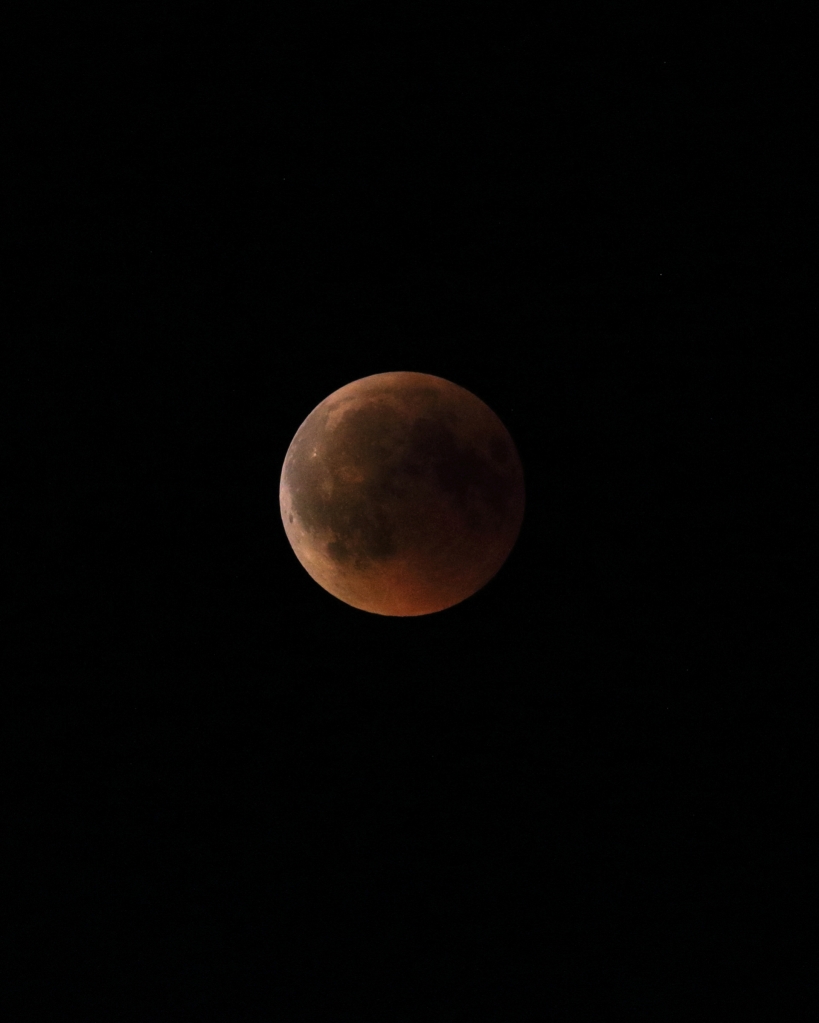
On another occasion, I learned about a lunar eclipse happening soon. These events happen from time to time, but we always need a bit of luck to have clear skies, available time and appropriate gear. And all this came together. I was in the front yard with everything properly set up and could make several images, even using a simple DSLR camera and a cost-effective 55-250mm zoom lens.
I love how the Moon looks different in this image below. The orange color happens during the total eclipse phase, caused by the sunlight crossing layers of the Earth’s atmosphere full of dust and other elements before hitting the Moon’s surface. One could even think that this is Mars’ surface.
—
Em outra ocasião, soube que um eclipse lunar aconteceria em breve. Esses eventos acontecem de tempos em tempos, mas sempre precisamos de um pouco de sorte para ter céu limpo, tempo disponível e equipamento adequado. E tudo isso aconteceu. Eu estava no quintal com tudo montado corretamente e pude fazer várias imagens, mesmo usando uma câmera DSLR simples e uma lente zoom 55-250mm de baixo custo.
Adoro como a Lua parece diferente na imagem abaixo. A cor laranja ocorre durante a fase de eclipse total, causada pela luz do sol atravessando camadas da atmosfera da Terra cheias de poeira e outros elementos, antes de atingir a superfície da Lua. Dá até para pensar que é a superfície de Marte.
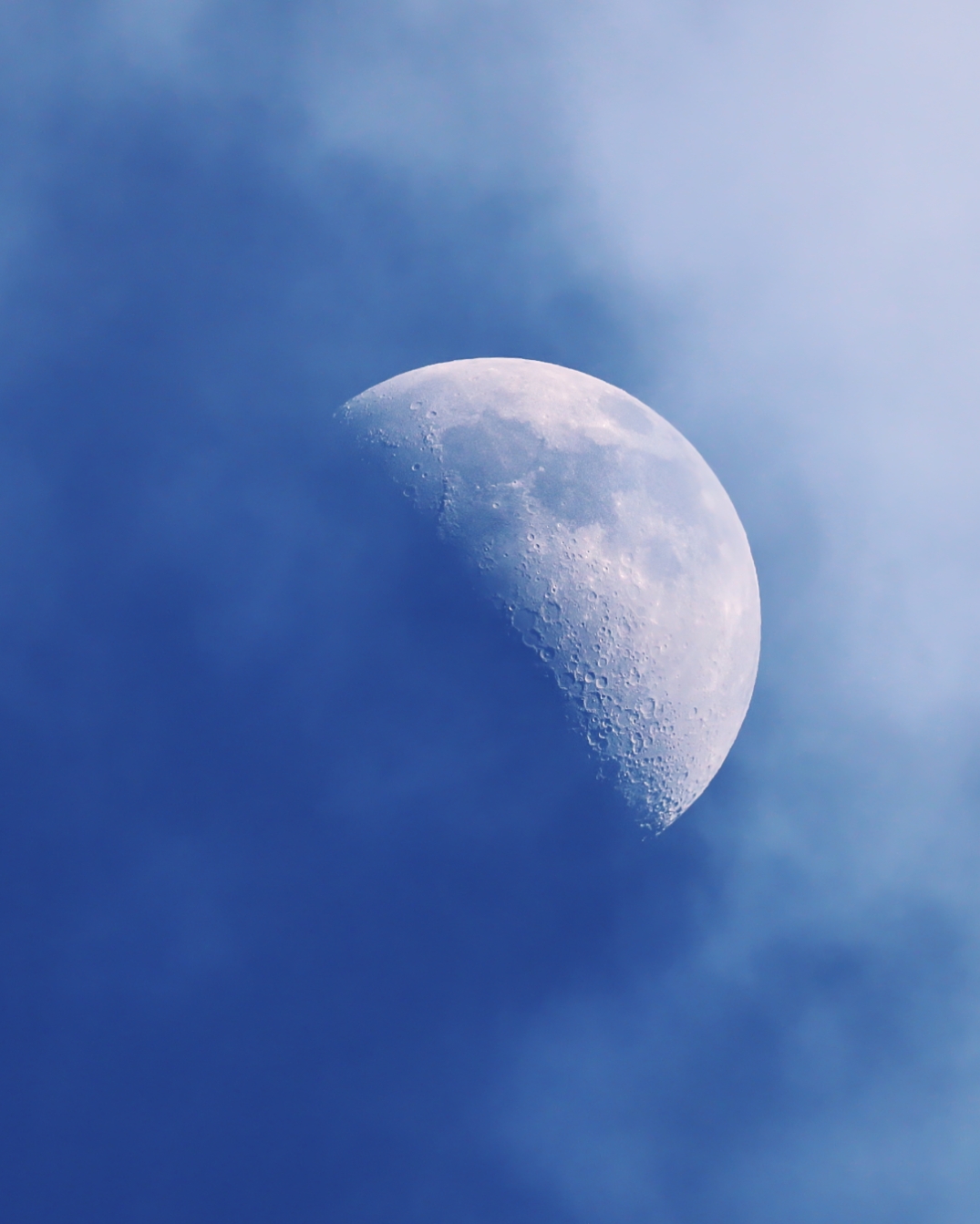
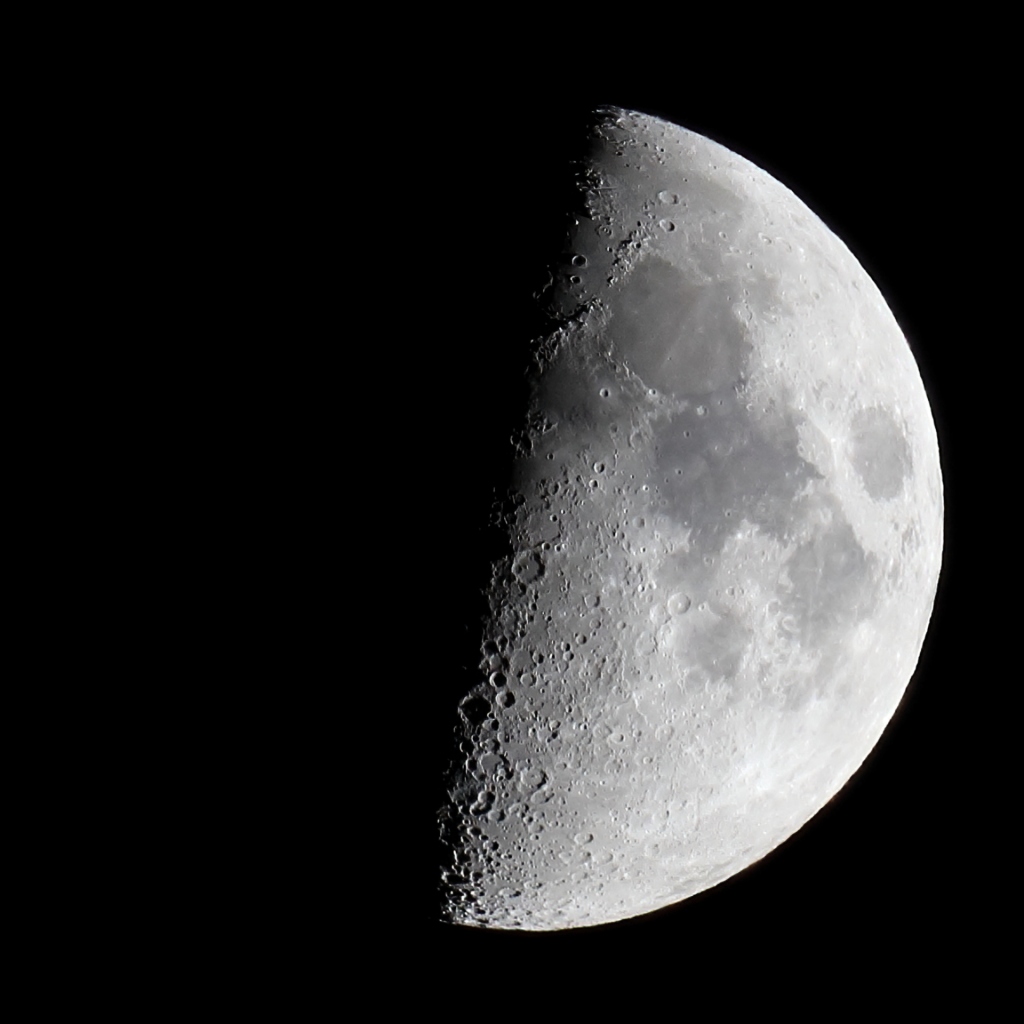
Finally, as a tip for aspiring moon photographers, consider capturing not just the full Moon, which is brighter, but also the crescent and other phases. At these moments, craters are more prominent and the light and shadow contrast is stronger. When using high magnification, look for days without wind. A fast shutter speed would help freezing the moment. Some people like to stack images, that’s also an option.
Another possibility is to use buildings, mountains or the weather to contextualize the environment and give the image a different, unique tone. And finally, the more skilled you are using a photo editor, the better results you might be able to acheve in Moon photography and in astrophotography in general.
I’d encourage everyone to photograph the Moon. Even if it is just “once in a blue Moon”.
Good luck!
—
Por fim, como dica para aspirantes a fotógrafos lunares, considerem capturar não apenas a Lua cheia, que é mais brilhante, mas também a fase crescente e as outras. Nesses momentos, as crateras ficam mais evidentes, e o contraste de luz e sombra é mais forte. Ao usar muito zoom, aguarde por dias sem vento. Uma velocidade do obturador rápida ajudará a congelar o momento. Algumas pessoas gostam de empilhar imagens, o que também é uma opção.
Outra possibilidade é usar elementos como prédios, montanhas ou o clima para contextualizar o ambiente e dar à imagem um tom diferente e único. E, por fim, quanto mais habilidade você tiver em usar um editor de fotos, melhores resultados poderá obter na fotografia lunar e na astrofotografia em geral.
Eu incentivo todos a fotografarem a Lua. Mesmo que façam isso muito raramente [“once in a blue Moon”, em inglês].
My wife and I were traveling to Italy from Bosnia and Herzegovina, where we used to live. I decided to make a detour and cross the Triglav National Park, in Slovenia. As far as I could see on the Internet, it would be worth seeing.
Upon arrival, I realized that a visit to that park should last for days or weeks. There were so many photographic opportunities and potential experiences there… While driving the swinging roads, I could notice many impressive views. Running out of time, I decided to park the car and make some photos.
The weather was changing quicky, it was sunny yet windy, with fast clouds crossing the sky. So I decided that, in order to capture all the movement that I was seeing, I should make a long exposure.
I set up the tripod and put on an excellent 100-400mm zoom lens. To my surprise, the field of view was too tight. So, the only wider angle alternative that I had was an inexpensive 18-55mm lens that came with the camera.
I’m glad that the final image encompasses the mountain peak and the moving clouds embracing it. Exaclty as I wished for.
It was so windy that the camera shake didn’t allow for a perfectly sharp image. But I didn’t care, the result proves that even cheap gear can deliver amazing results.
This image was finally printed, put on a frame and gifted to my mother.
—
Minha esposa e eu estávamos viajando da Bósnia e Herzegovina, onde morávamos, para a Itália. Decidi fazer um desvio e cruzar o Parque Nacional Triglav, na Eslovênia. Pelo que pude ver na internet, valeria a pena conhecê-lo.
Ao chegar, percebi que uma visita a esse parque deveria durar dias ou semanas. Havia tantas oportunidades fotográficas e potenciais experiências… Enquanto percorríamos as estradas sinuosas, pude observar muitas vistas impressionantes. Já sem tempo, decidi parar o carro e fazer algumas fotos.
O tempo estava mudando rapidamente, estava ensolarado, mas com muito vento e nuvens rápidas cruzando o céu. Então decidi que, para capturar todo o movimento que estava vendo, deveria fazer uma foto de longa exposição.
Montei o tripé e coloquei uma excelente lente zoom de 100-400 mm. Para minha surpresa, o campo de visão era muito apertado. Então, a única alternativa de grande angular que eu tinha era uma lente barata de 18-55 mm que veio com a câmera.
Fico feliz que a imagem final represente o pico da montanha e as nuvens em movimento que o abraçam, exatamente como eu desejava.
Ventava tanto que a trepidação da câmera não permitiu uma imagem perfeitamente nítida. Mas não importa, o resultado prova que mesmo equipamentos baratos podem fornecer resultados incríveis.
A fotografia foi finalmente impressa, emoldurada e oferecida de presente para a minha mãe.
Sometimes everything we need is a blend of intention, technique and a bit of luck.
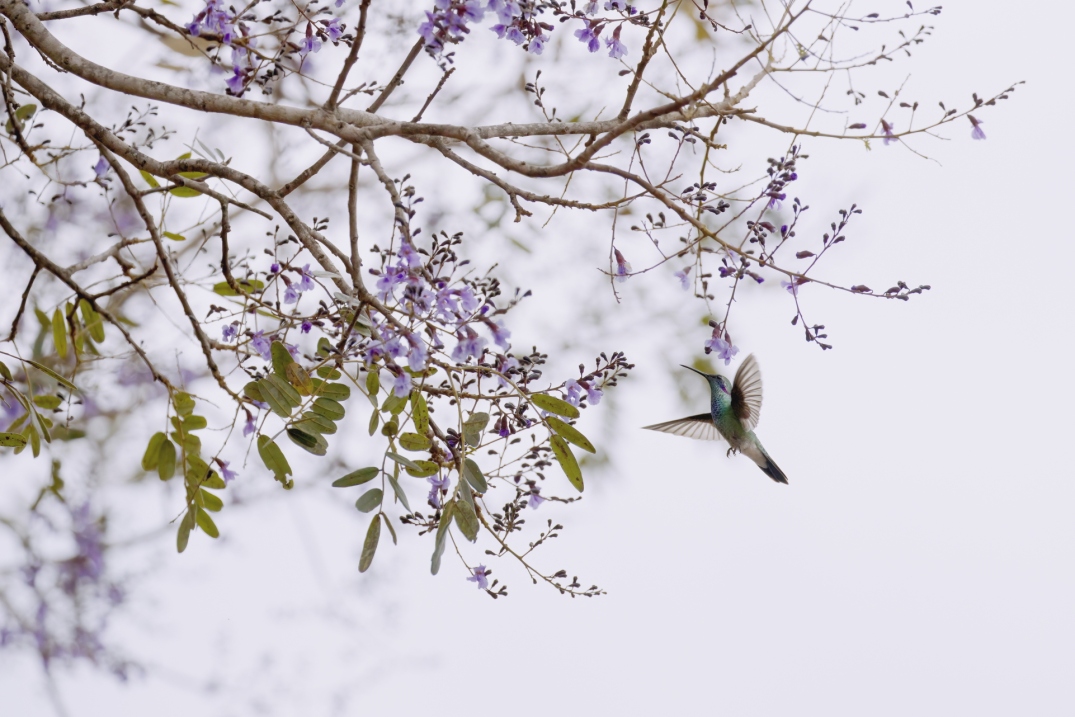
I was on a farm in Brazil and intentionally wanted to take bird photos. I always wished to photograph a hummingbird. They’re so fast and elusive, that I didn’t have many hopes.
But it was around 11am when I heard and saw a hummingbid. She was flying high, close to the tree top. It was overcast and extremely bright. I new that I would have no more than a few minutes with her, so I rushed inside, took my camera and dialed in a quick configuration with a positive exposure compensation.
I saw the bird kissing the flowers against a very bright backdrop, so I just pressed the shutter button and hoped for the better.
Days later, when I reviewed the photos, I saw an image which was almost completely black-and-white with the bird’s sillouette and dark tree branches, leaves and flowers.
To my surprise, when I overexposed the image on the editor, the miracle came in. What a beautiful and delicate scene!
I carefully cropped and toned the image rose to match the bird and the flowers. And the result was almost poetic. Amazing!
—
Às vezes, tudo o que a gente precisa é de uma mistura de intenção, técnica e um pouco de sorte.
Eu estava em uma fazenda no Brasil e queria intencionalmente tirar fotos de pássaros. Sempre quis fotografar um beija-flor. Eles são tão rápidos que eu não tinha muita esperança.
Mas, por volta das 11 horas da manhã, ouvi e vi um beija-flor. Estava voando alto, perto da copa da árvore. O céu estava nublado e extremamente claro. Eu sabia que não teria mais do que alguns minutos com ele, então corri para dentro, peguei a câmera e configurei rapidamente uma compensação de exposição positiva.
Vi o pássaro beijando as flores contra um fundo muito claro, então apenas apertei o botão da câmera e torci para dar certo.
Dias depois, ao rever as fotos, encontrei uma imagem que estava quase toda em preto e branco, com a silhueta do pássaro e galhos, folhas e flores escuras da árvore.
Para minha surpresa, ao aumentar o brilho da imagem no editor, o milagre aconteceu. Que cena linda e delicada! Fiz o recorte da foto e tonalizei cuidadosamente a imagem em um tom rosa, para combinar com o pássaro e as flores. E o resultado foi quase poético. Incrível!












 Claudio Meluzzi